
When carrying out repair and modification work in tanks and other confined spaces, the choice of cutting and gouging method is about much more than productivity. Safety, control, and reliability are often the factors that have the greatest influence on the approach selected.
At MTL, we favour plasma cutting and gouging processes for three key reasons: enhanced control of hot work activities, the removal of hazardous gas requirements, and efficient execution of the work.
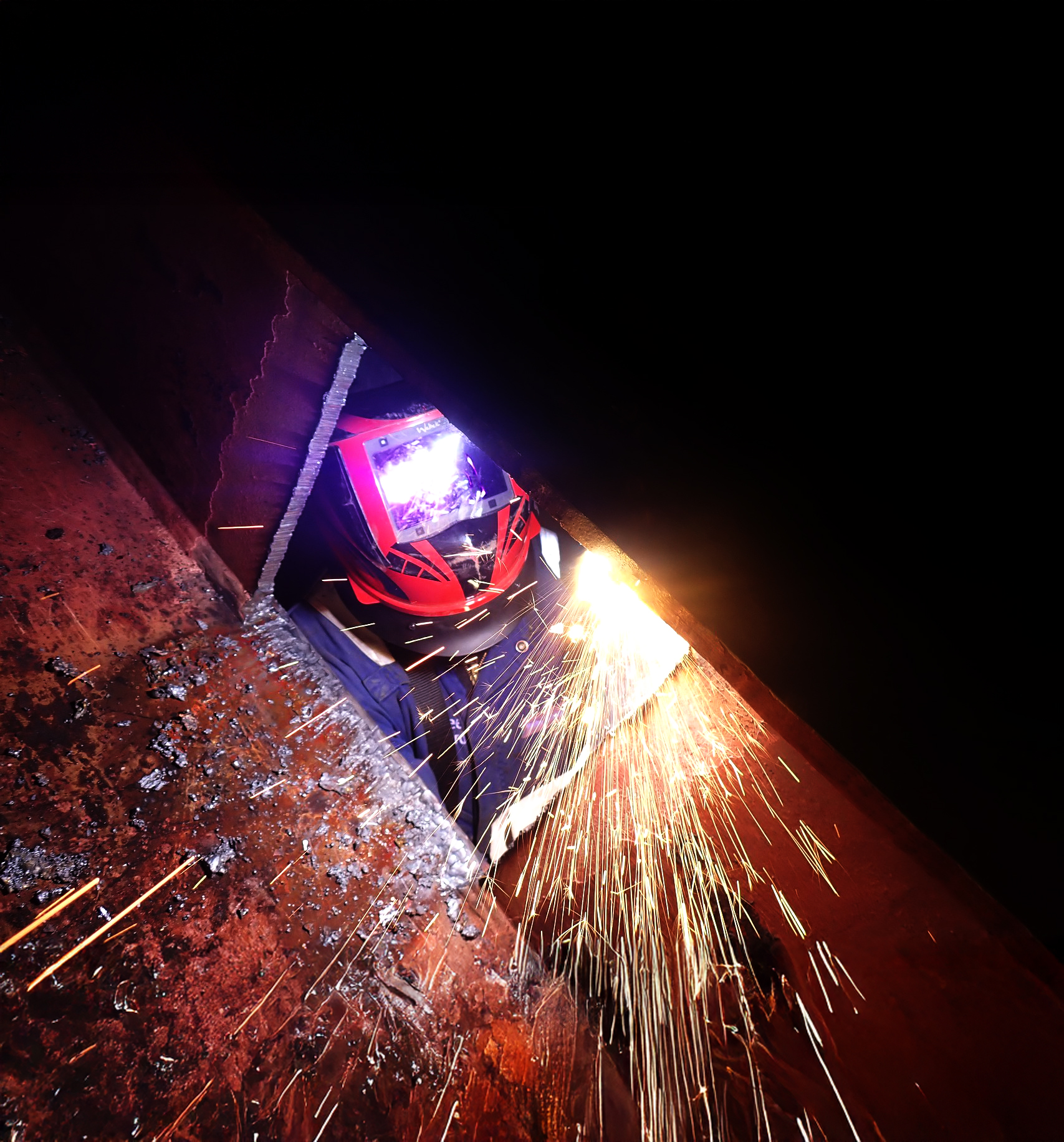
Image: MTL plasma cutting on the boundary between a cargo and ballast tank.
Greater control of hot work activities
Plasma cutting and gouging are electrically powered processes. This provides an important safety advantage because the equipment can be powered directly into our Safe System of Work controls.
When conditions are safe, the equipment can be energised and made available for use. If the Safe System of Work detects an unsafe condition, the power will be automatically removed. Examples include the detection of hydrocarbon gas within the ventilation air stream or a loss of pressure within a positive-pressure habitat. In these situations, the system automatically isolates all hot work power supplies, creating a rapid and controlled response without relying on manual intervention.
Control extends beyond active working periods. When personnel leave the space during breaks or at the end of a shift, a manual key system is used to disable all hot work equipment. This helps prevent hot work equipment from being accidentally left energised while the tank is unoccupied.
No requirement for hazardous gases
A second advantage of plasma cutting and gouging is that the process does not require oxygen or combustible fuel gases to operate. Instead, it uses compressed air to generate the plasma arc and remove molten metal from the cut.
Before personnel can safely enter a confined space, significant effort is often required to isolate the area from hydrocarbons and other contaminants. The atmosphere must be tested, monitored and maintained in a safe condition throughout the duration of the work.
Traditional cutting and gouging methods, such as oxy-acetylene or oxy-propane, require oxygen and fuel gas hoses, connections and associated equipment to be introduced into the work area. While these systems are widely used throughout industry, they introduce additional sources of atmospheric and fire hazards should leaks occur. Oxygen leaks can create oxygen-enriched atmospheres that increase the likelihood and severity of fires, while fuel gas leaks can contribute to flammable or explosive atmospheres.
By eliminating the need for oxygen and fuel gases within the confined space, plasma cutting reduces potential atmospheric hazards and simplifies the safe execution of the work.
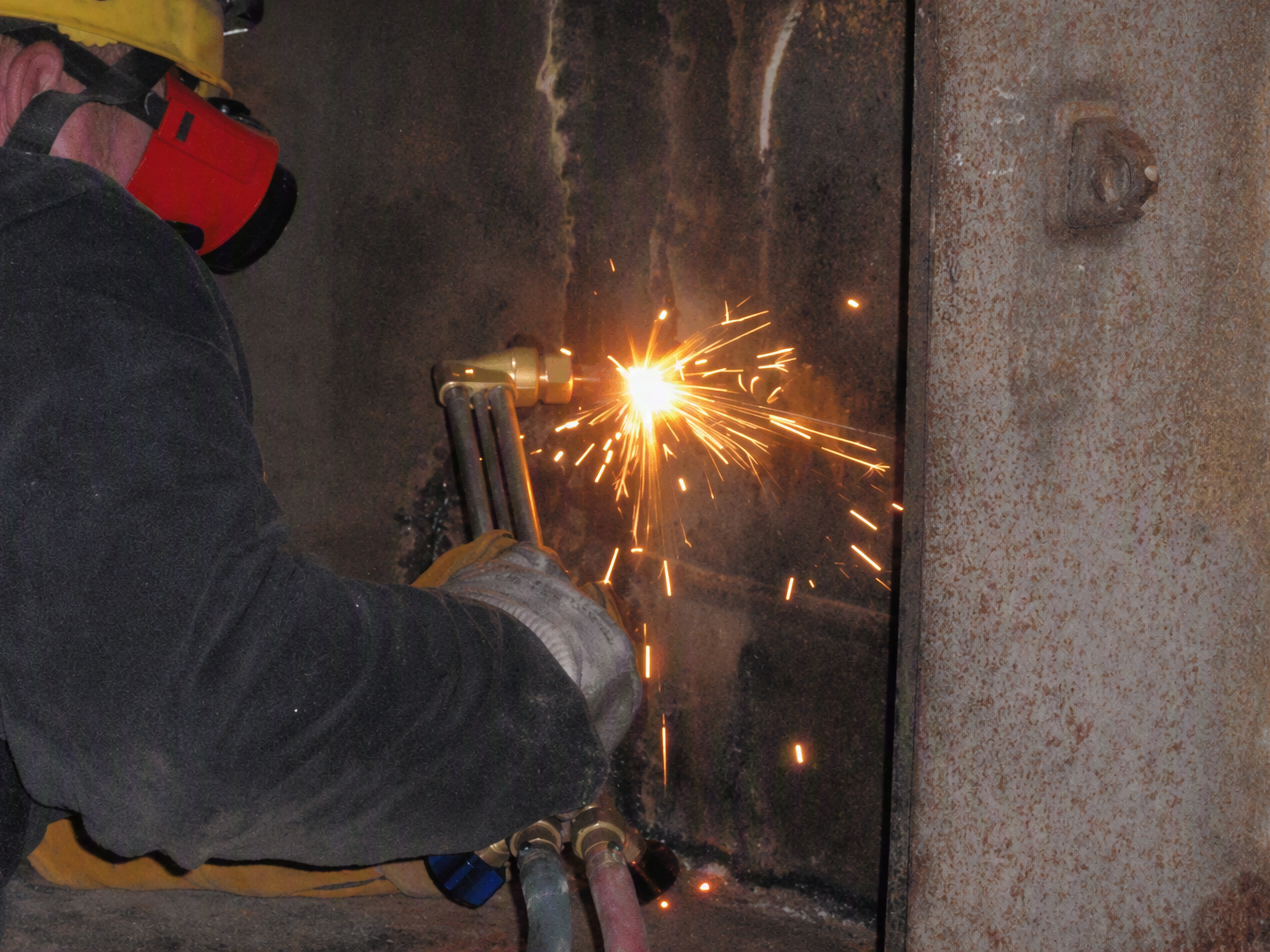
Image: Traditional oxy-acetylene cutting in a ballast tank.
Efficient execution with high-quality results
Plasma cutting and gouging provide a productive method for removing material, preparing repair areas and supporting structural modification activities. The process offers good control, consistent results and efficient material removal when compared with many traditional alternatives.
For offshore and marine assets, efficient execution can help reduce disruption to wider project activities while maintaining the quality standards required for repair work.
Final thoughts
The selection of plasma cutting and gouging processes is driven by practical considerations. The ability to integrate directly with Safe System of Work controls, avoid the introduction of oxygen and combustible fuel gases into confined spaces, and achieve efficient, high-quality results, makes it a strong option for many marine and offshore repair applications.
About the author
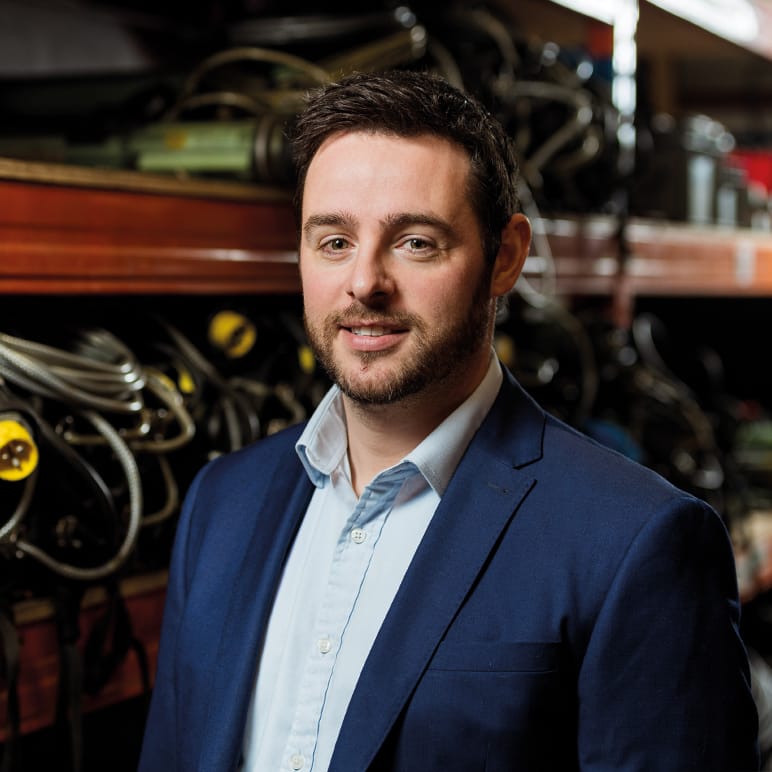
ADAM WESTWELL is the Projects Team Lead at Marine Technical Limits, with over 15 years of experience managing offshore asset integrity projects. His expertise spans FPSO structural integrity, tank isolation, cleaning and inspection programmes, and complex repair execution, all underpinned by disciplined project management. He has a strong focus on delivering practical solutions that enhance safety, reliability, and operational performance.