


The Tellers of
Stories that Compel
By Nick Franks
The Demise of Storytelling
I joined the MTL team earlier this year amidst a flurry of onboarding activity and a brimming sense of a company whose DNA is to push beyond the limits – the maritime technical limits of FPSO structural integrity management, but also the digital limits of online presences that are only artificially intelligent.
Central to my application for the role of Marketing and Communications Coordinator, I began casting a vision that would help MTL’s digital content move away from the ‘beige’ (and rather depressing!) effects of AI: highly predictable sentences, robotic meter and cadence, as well as a distinctly unrealistic vocabulary.
Despite its undoubted assistance, I am concerned that in pushing this AI frontier we are forfeiting much more of our innate humanity than we realise. The spectacle and wonder of the artist poised before an empty canvas, brandishing palettes of possibility, is now all too often neglected in favour of the dizzying churn of our digital world.
One of the ways that I think this detrimental impact of AI can be most clearly seen is as the role of storytelling is pushed to the point of cliché.

Compelling storytelling & the cinematic
During a recent time transitioning away from the world of freelancing, searching for a quality employer and reading countless off-the-shelf marketing job descriptions, I started to wonder what would satisfy the common requirement for ‘compelling storytelling’; did anyone even know?
Despite the cultural trend of binging anti-climactic TV box sets, it seems to me that very few films successfully achieve compelling storytelling these days. In all honesty, how often does the finale of an eight-part drama series genuinely satisfy our urge for entertainment, before we head off in search of the next?
Online streaming services that are dependent on monthly subscriptions have changed cinema forever; and while massive budget films like Christopher Nolan’s The Odyssey will always succeed, the lower-tiered budgets for less spectacular productions can not compete with these more lucrative streaming models.
This is why fewer cohesive long-form stories are being told and why fewer still satisfy or compel us in any way whatsoever.
Cinema that does makes the cut
The Last Samurai (2003) and Pressure (2026) are two fantastic examples of films in which wonderful acting, writing and storytelling are genuinely compelling.
Treatments of scripts, scenes and performances like these hold such raw human emotion and power that tearful reflection is the naturally human response. And, whether the storytelling is unto tears or the belly laughter of sheer elation, it is the audience’s capacity to relate to the human stories being told that make them compelling.
We recall the moment when our lives actually resembled what we now watch portrayed, (we might remember our own pain or embarrassment or longing), and so the stories compel within us a kind of internal response.
“It is the audience’s capacity to relate to the human stories being told that makes them compelling, urging us irresistibly on…”
NICK FRANKS
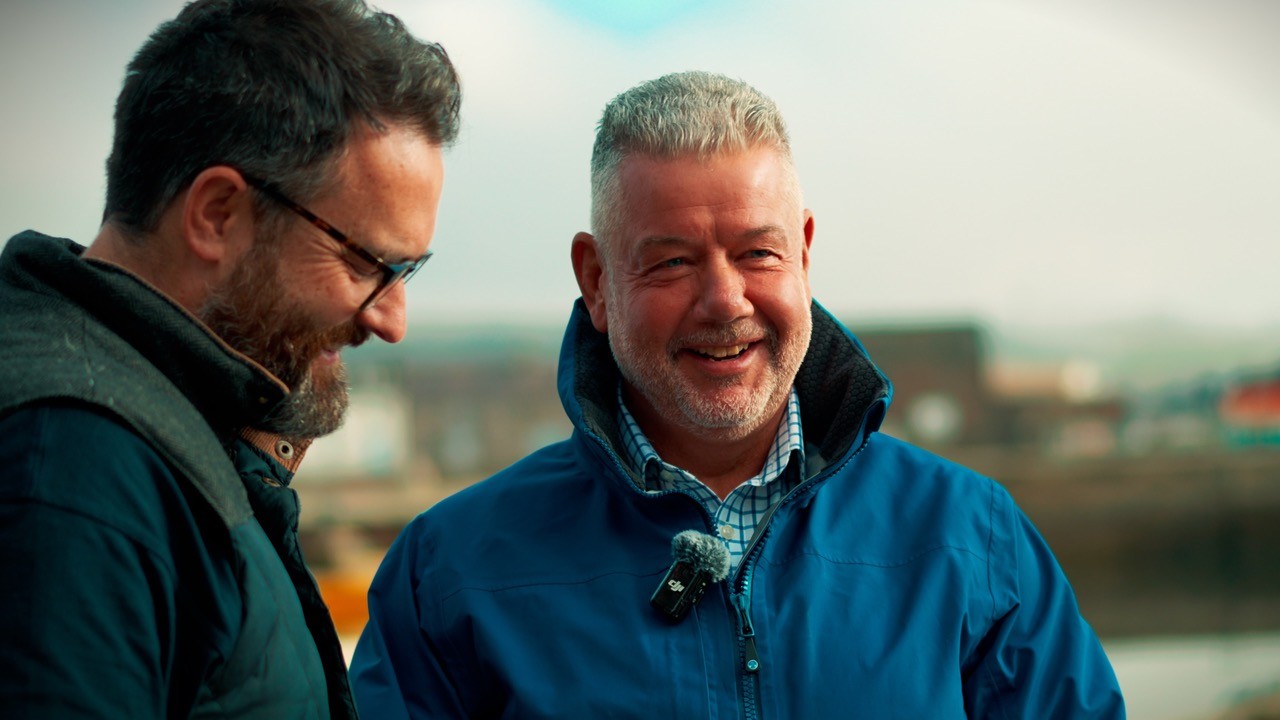
Compelling storytellers
By contrast, within the corporate marketing contexts that now commonly demand generic notions of storytelling, even when there is an awareness of the need of investment to help them come alive for business gain, the return on investment is not necessarily guaranteed.
However, I think this is the key to understanding and harnessing compelling storytelling in our various organisations: the stories are only facilitated by the marketing and content functions of roles like mine here at MTL; it is the wider group of colleagues who have the stories to tell (vox pop) and who hold the greatest potential. It is their willingness to be the tellers of the stories – and to grow in that process – that creates authentically human presence online.
Once this storytelling gains steady momentum within brands or corporates, then comes a conversion into business and commercial gain. ‘The tellers of stories that compel’ illicit, even demand, a response from others…and so the story goes on.
When I consider the sheer power of the storylines and scenes in the two films I mention above, it provokes me to wonder how much more leverage we could all exert as storytellers in moving our respective missions and visions forward, beyond the varying perceptions of our limits.
“If we were to more consistently, intentionally and appropriately adapt the stories that lie dormant within each one of us, I am sure there would be huge impact.”
NICK FRANKS
Just as the honourable Katsumoto repeatedly said to Nathan Algren who, however unlikely, went on to become the last of the Samurai, isn’t it conversation that is our rarest commodity?
Similarly, within all of our frenetic sound bites and social media amplification, meaningful stories and compelling storytellers are much harder to find than they should be.
But if we were to more consistently, intentionally and appropriately adapt the stories that lie dormant within each one of us, I am sure there would be huge corporate impact: stories about our work offshore and closer to home; our skills; our successes and even our failures. These are the stories of our lives.
To tell them? For this we need courage.
The priority of nurturing compelling storytelling like this is an important part of my role here at MTL. Whether through writing, podcasts, photography or film, it is a role that I look forward to developing in tandem with the whole team as they use their own unique voices to tell their own compelling stories.
About the Author

NICK FRANKS is Marketing and Communications Coordinator at Marine Technical Limits. With over a decade of experience working as a freelance content producer in photography, writing and film, he excels in taking raw ideas and helping them fly. Nick’s happy place is deep in the Scottish mountains with a flask of coffee and a drone.