
Ten years at Marine Technical Limits
Ten years ago, while celebrating the completion of my final year project presentation at the University of Strathclyde, I received an invitation to interview with Marine Technical Limits.
At the time, I had little idea that a conversation on the final day of university would become the start of a decade-long career focused on the structural integrity of offshore assets.
In September 2016, I joined MTL as a Graduate Naval Architect. Looking back, it is difficult to believe how quickly those ten years have passed. During that time, I have progressed from graduate engineer to Principal Naval Architect, but the purpose behind the work has remained remarkably consistent.
For me, naval architecture has never simply been about structures, calculations or technical reports. It is about responsibility.
The decisions we make as engineers have real-world consequences. People live and work on the assets we help manage. The environment relies on those assets being operated responsibly. Businesses depend on them performing safely and efficiently.
That responsibility continues to motivate me today just as much as it did when I first joined MTL.
A Decade of Growth
Over the last ten years, I have been fortunate to work on floating offshore assets around the world, particularly FPSOs, supporting clients through inspections, repairs, integrity assessments and long-term asset management.
Along the way, my responsibilities have expanded well beyond those of a traditional naval architect. I have led offshore inspection campaigns, coordinated multidisciplinary teams, developed risk-based integrity management strategies, supported commercial proposals, mentored colleagues, participated in recruitment and helped shape internal systems and procedures.
One of the things I value most about MTL is the opportunity to continue growing. There has always been another challenge to tackle, another problem to solve and another area in which to develop.
From Paper to Digital
One of the most rewarding developments during my time at MTL has been helping transform integrity management from largely paper-based processes to fully digital systems.
Through my involvement in the development of PYXIS, MTL’s digital integrity management platform, I have had the opportunity to work closely with both engineers and software developers to translate operational workflows into practical digital tools.
Watching ideas that began as engineering discussions evolve into systems used by integrity management teams has been one of the achievements I am most proud of.
What makes this particularly rewarding is that PYXIS was shaped by the people who use it. Naval architects, inspectors and engineers identified opportunities to improve the way we work and collaborated to develop solutions that deliver tangible benefits to clients.
To me, that reflects something fundamental about MTL. Innovation is not pursued for its own sake. It comes from a genuine desire to find better ways of solving problems.
An Industry in Transition
The offshore energy industry has changed significantly during the last decade.
We have experienced market cycles, evolving technologies and increasing focus on the energy transition. As engineers, we are living through one of the most important industrial transformations of our generation.
Whatever the future energy mix looks like, society continues to require safe, reliable and affordable energy while developing the technologies that will support tomorrow’s needs. The skills, engineering expertise and operational knowledge that exist within today’s offshore sector will play an important role in delivering that future.
That is one of the reasons I find structural integrity management so meaningful.
Every inspection completed, every repair undertaken and every engineering assessment produced contributes towards ensuring that complex assets continue to operate safely and responsibly throughout their service lives.
At its core, structural integrity management is about protecting people, the environment and critical infrastructure.
The Most Important Lesson
The biggest lesson I have learned over the last ten years is that good engineering extends far beyond technical competence.
Technical knowledge will always be essential, but the best engineers are also curious, collaborative and invested in finding the right solution. They understand the wider context of the problems they are solving and recognise the responsibility that comes with every recommendation they make.
I have been fortunate to work alongside many people who embody those qualities, and I remain grateful for the support, guidance and opportunities they have provided throughout my career.
Looking Forward
While this milestone naturally encourages reflection, it also makes me excited about what lies ahead.
The continued digitalisation of integrity management, the growth of data-driven decision making, the challenge of extending asset life safely and efficiently, and the opportunity to develop the next generation of engineers all present exciting possibilities.
Most importantly, I remain optimistic about MTL’s future. Throughout my career, the company has provided opportunities to grow, contribute and make a meaningful impact while working alongside talented colleagues who care deeply about the quality of what we deliver.
Looking back, ten years have passed remarkably quickly.
Looking forward, it still feels like there is plenty more to do.
And for me, the purpose remains unchanged:
Protecting life, environment and assets.
About the author
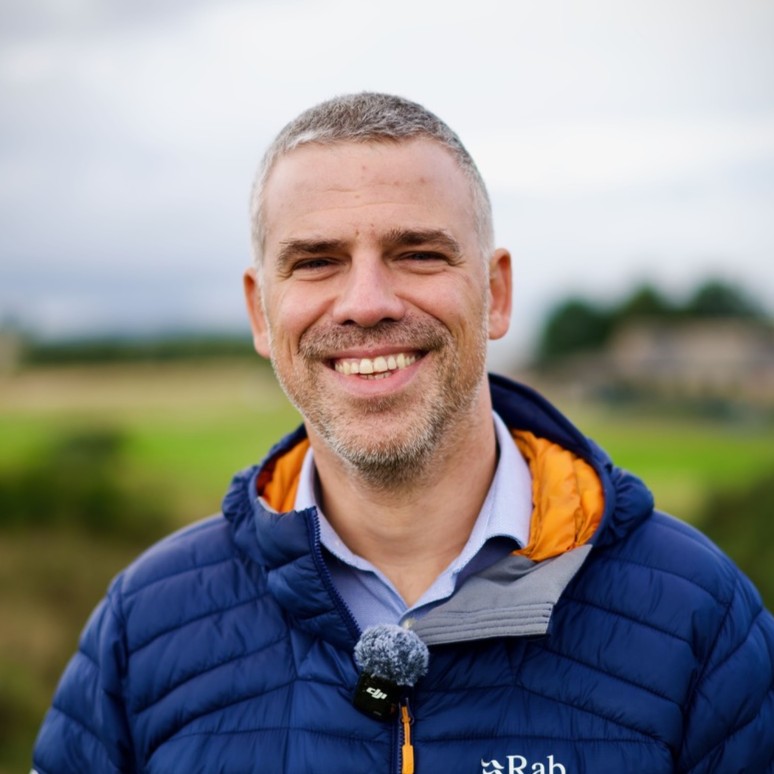
Grigorios Gryllias is a Principal Naval Architect at Marine Technical Limits with ten years’ experience in the structural integrity management of floating offshore assets. A Chartered Engineer and graduate of the University of Strathclyde, he is passionate about asset integrity, digital innovation and developing the next generation of engineers. He believes that good engineering is ultimately about protecting people, the environment and the assets on which they depend.