
More data does not guarantee better direction
Engineering software often acquires names that mean very little beyond the development team. With PYXIS, however, the name was chosen deliberately by our team to communicate something inherently meaningful to MTL.
In astronomy, pyxis is the mariner’s compass, a constellation named after one of the most important navigational tools carried at sea. For generations, this compass helped mariners understand where they were, where they needed to go and, crucially, make informed decisions when the way ahead was uncertain.
There is a strong parallel here with the management of structural integrity on an FPSO.
Today, operators have access to more information than ever before. Engineering assessments, inspection records, survey data, historical reports and sensor outputs, and all these contribute to an increasingly detailed picture of an asset.
But having more data is not the same as having better direction.
The enduring challenge before us is to understand what that information means, how the different pieces relate to one another and, ultimately, what needs to be done about it.
That is exactly where PYXIS gets its name.
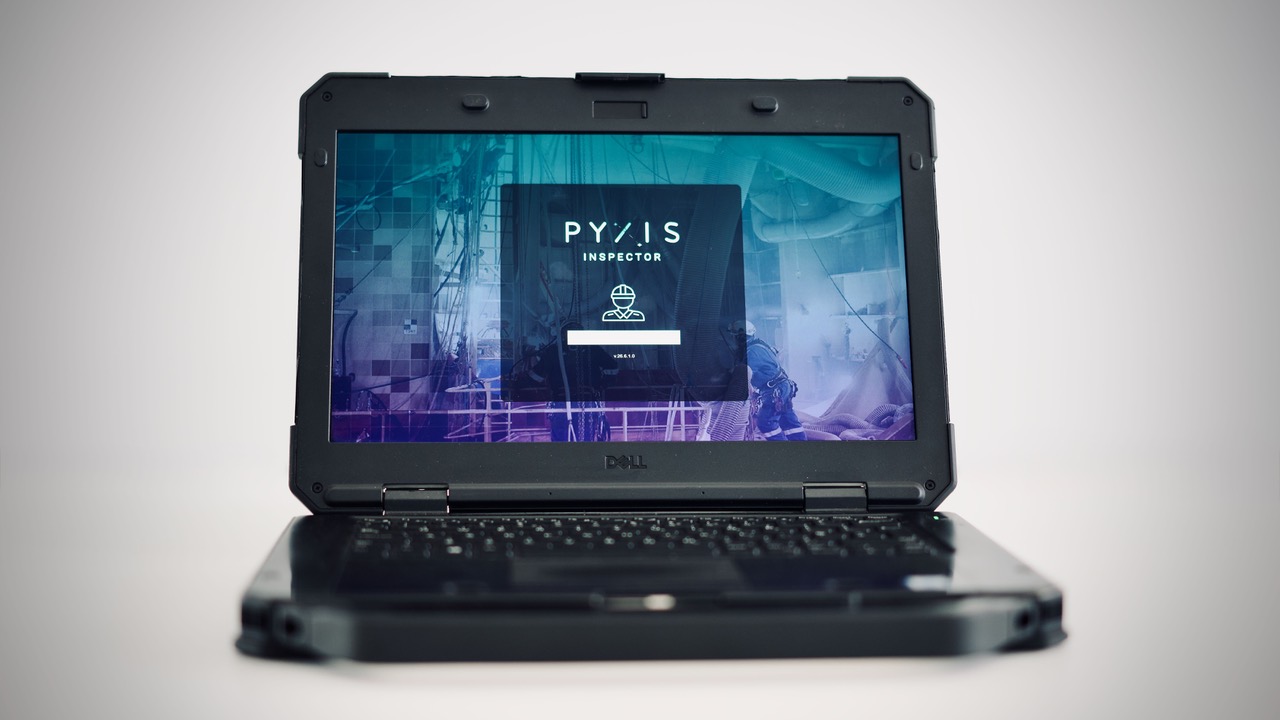
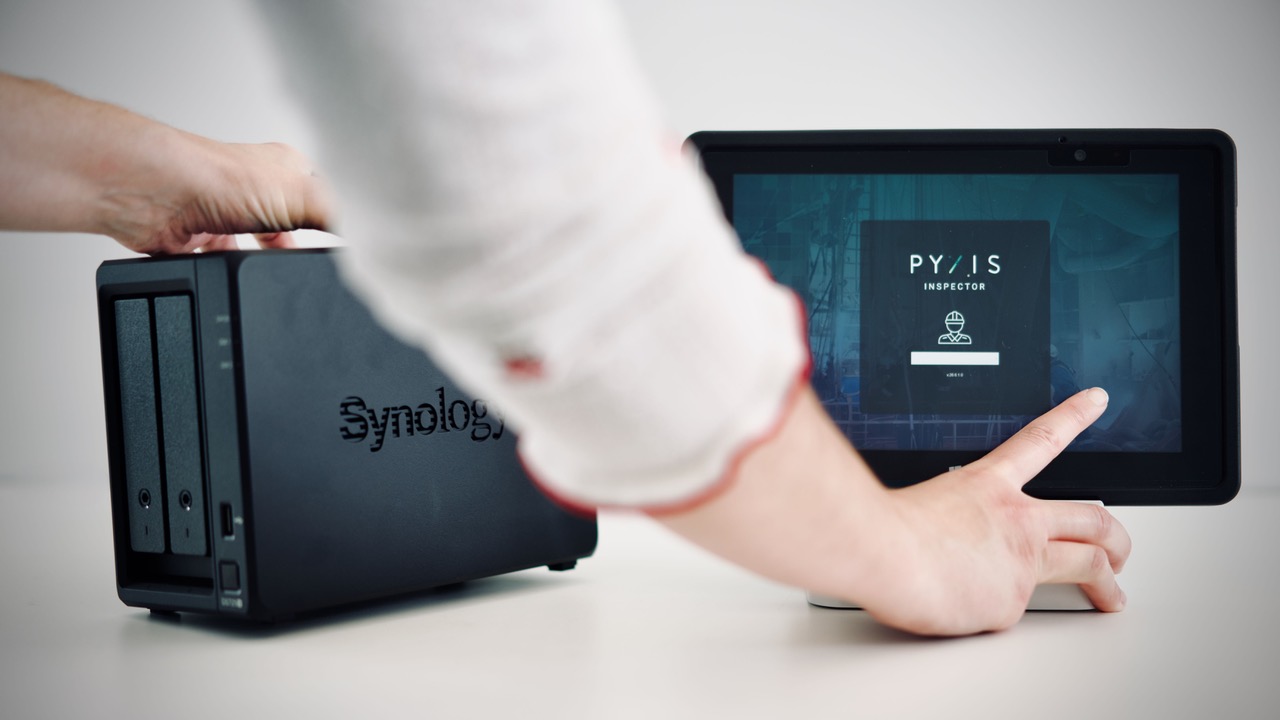
A compass, not an autopilot
PYXIS was never intended to replace engineering judgement but instead to support it.
Just like a compass, it provides orientation, brings complex integrity information together, places it in context and helps naval architects and engineers identify what matters. The key is in prioritising attention and, in so doing, making better informed decisions.
Good structural integrity management is rarely about reacting to a single defect, anomaly or inspection result in isolation. It is about understanding the bigger picture: recognising what requires attention today while keeping sight of the risks that may become important tomorrow.
And that is perhaps where the analogy with a compass works best.
A compass never told the mariner what decision to make. It provided reliable information from which an experienced navigator could decide the best course.
PYXIS follows the same philosophy.
It helps engineers understand where an asset is, see where attention is needed and make informed decisions about the course ahead. The technology provides the orientation. The engineering judgement remains with the engineer.
That, ultimately, is what the name PYXIS means to us at Marine Technical Limits.
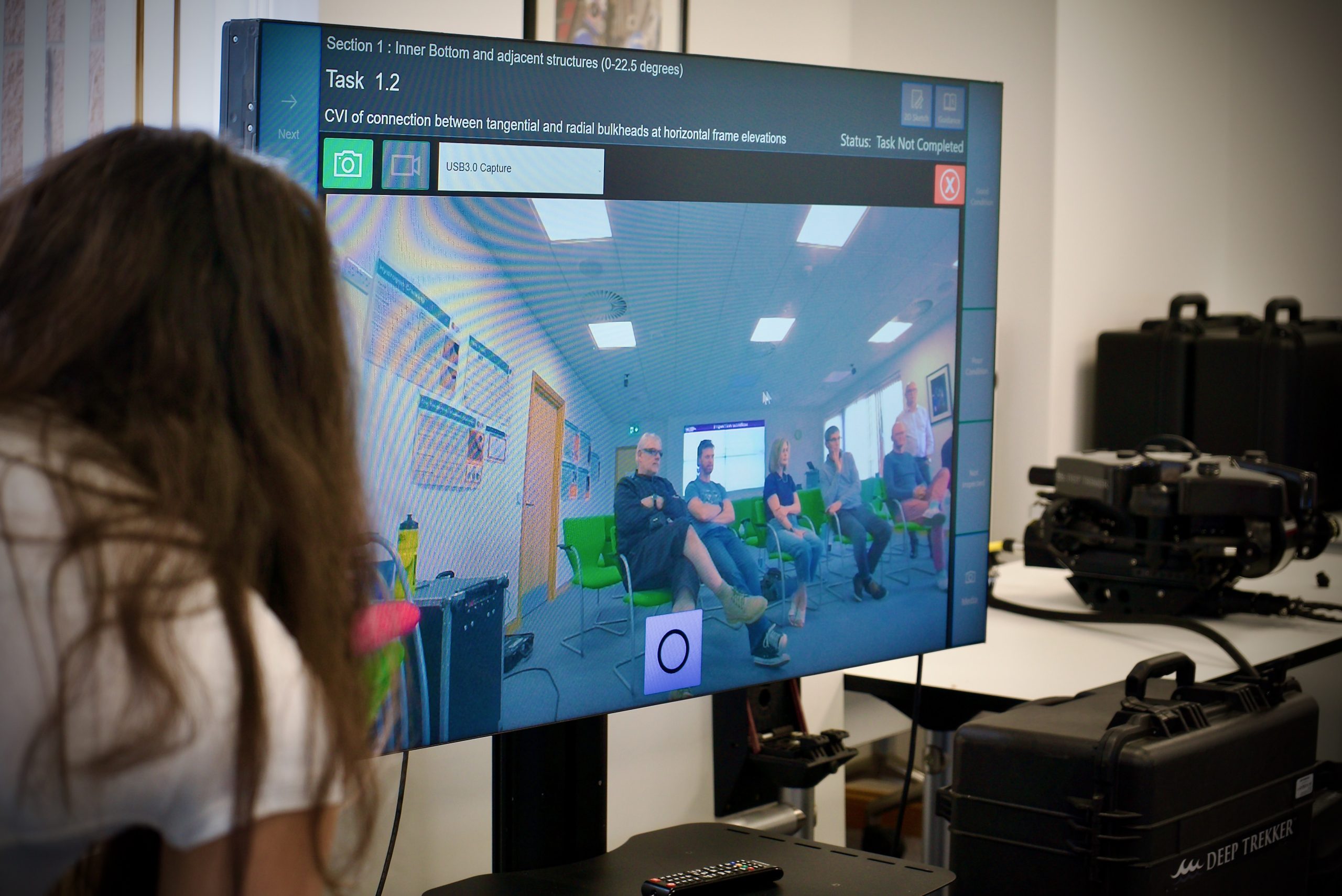
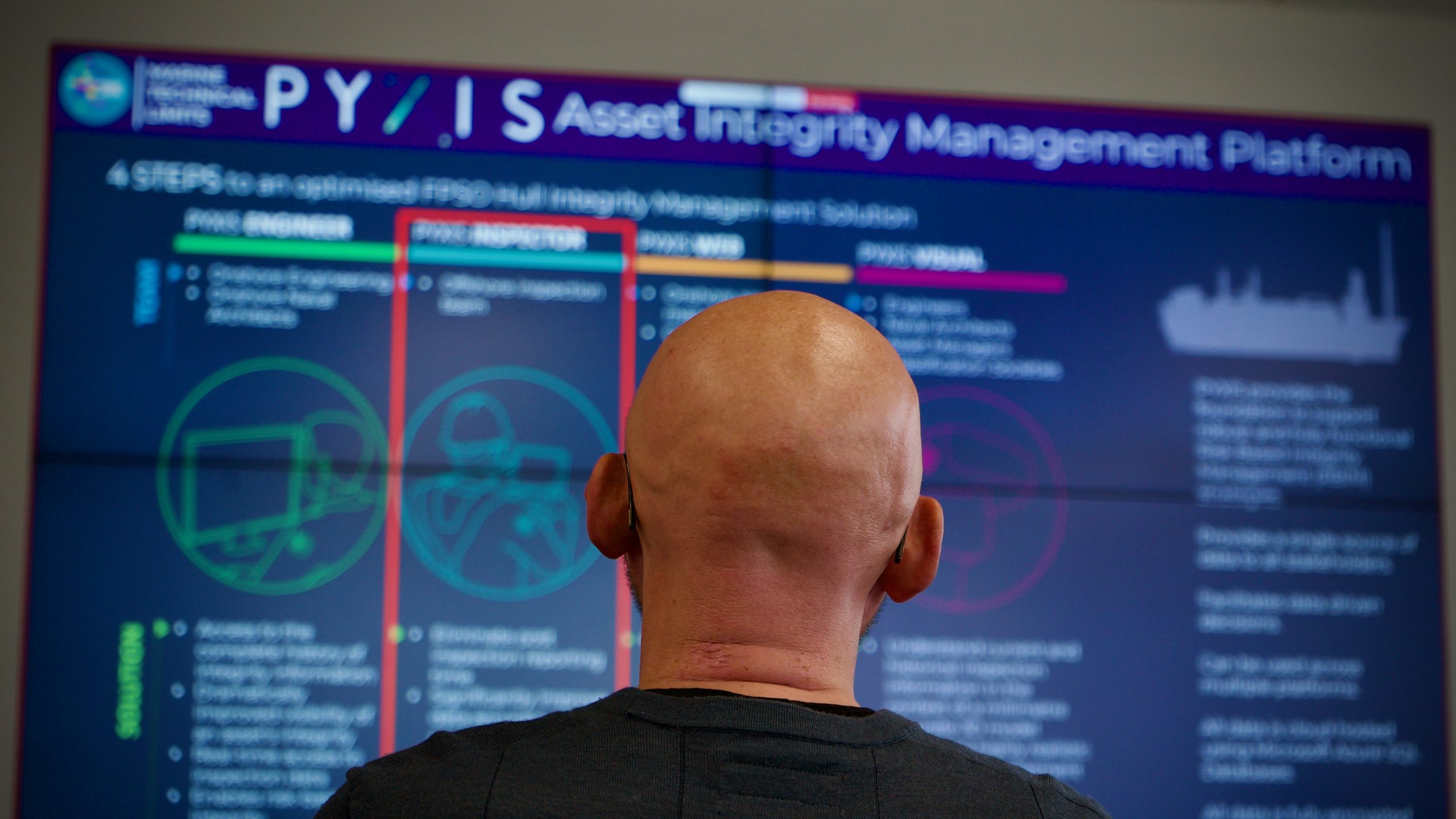
About the Author
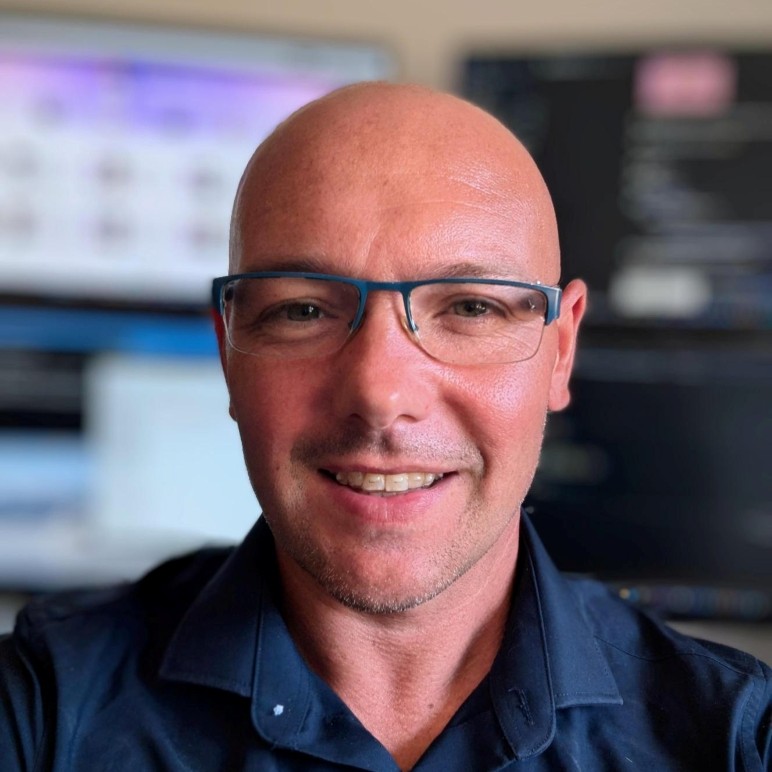
JOHN WALDEN is a technology geek with a passion for innovation, leveraging over two decades of enterprise full-stack development to solve real-world industrial challenges. His background spans building immersive VR simulators to leading the architecture of PYXIS, MTL’s game-changing digital integrity management platform for FPSOs. As CTO at Marine Technical Limits (MTL), he leads the company’s technology strategy across cloud APIs, web portals, and low-connectivity offshore software to deliver end-to-end digital transformation for floating assets.