
Rethinking the delivery of work
In 2014, a mature FPSO faced a familiar challenge: the necessity of cargo tank inspections while anticipating the long periods of disruption that they cause.
The arrangement of the cargo headers meant that we had to take four tanks out of service at the same time. Isolation, cleaning, inspection, and return to service followed a fixed sequence; and each campaign could take up to six months. Our work on the Triton FPSO focused on improving that position.
The aim was to maintain safe and effective inspection standards while reducing the time required to complete the scope. Rather than changing the individual tasks, we focused on improving how the work was planned, sequenced and delivered.
To support this, our bespoke Safe System of Work (SSOW) equipment was mobilised to improve confined space ventilation and power distribution.
By rethinking how the work was delivered, the campaign duration was reduced from up to six months to just six weeks.
Adam Westwell, Project Team Lead
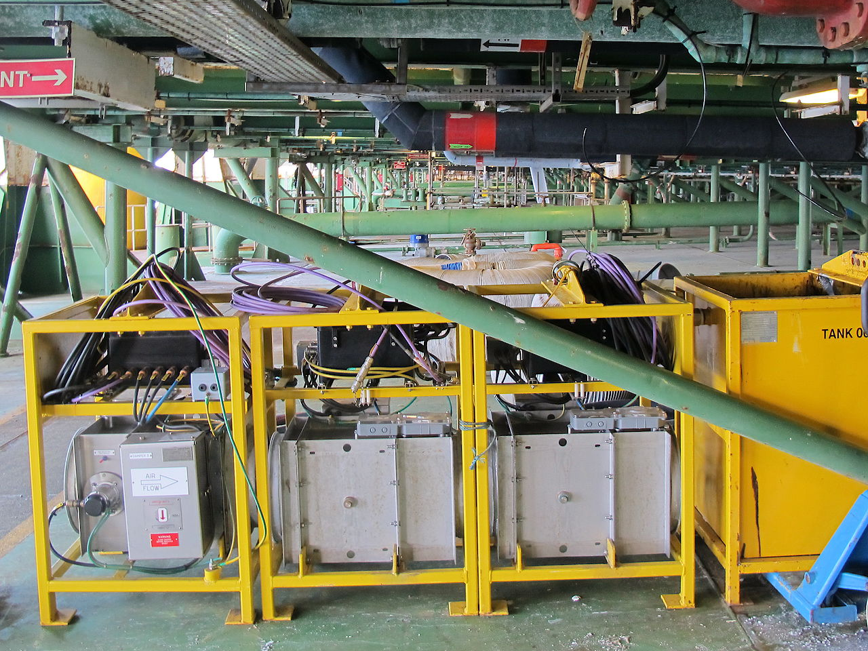
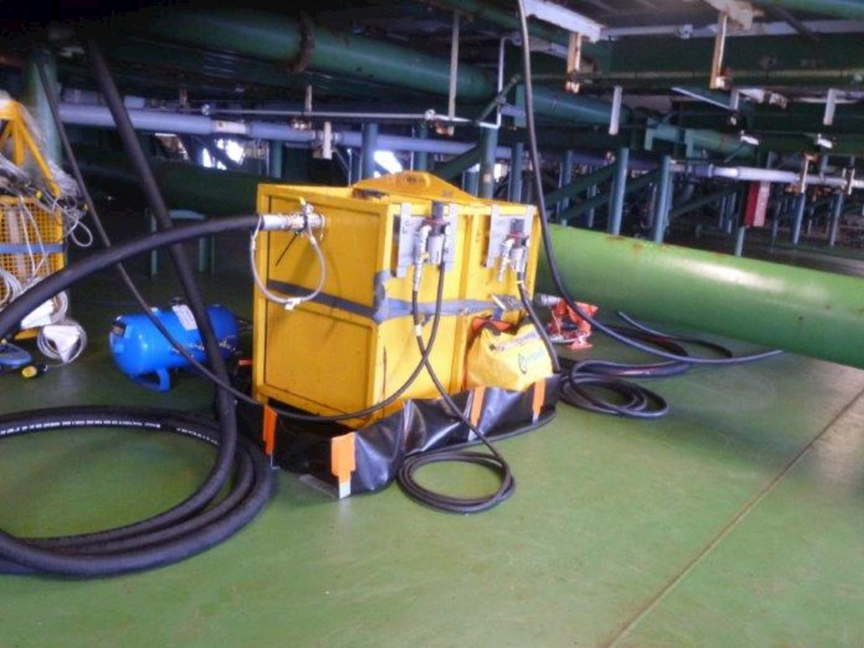
Above: Cargo tank pumping equipment: MTL’s bespoke break tank provided to support residual fluid removal from the tanks.
The key to our success
It was the implementation of a multi-disciplinary team that enabled us to support tank isolations, cleaning operations and inspection activities. This reduced delays between handovers and removed idle time between key stages of the work.
The inspection sequence remained unchanged, but the delays between each stage were significantly reduced.
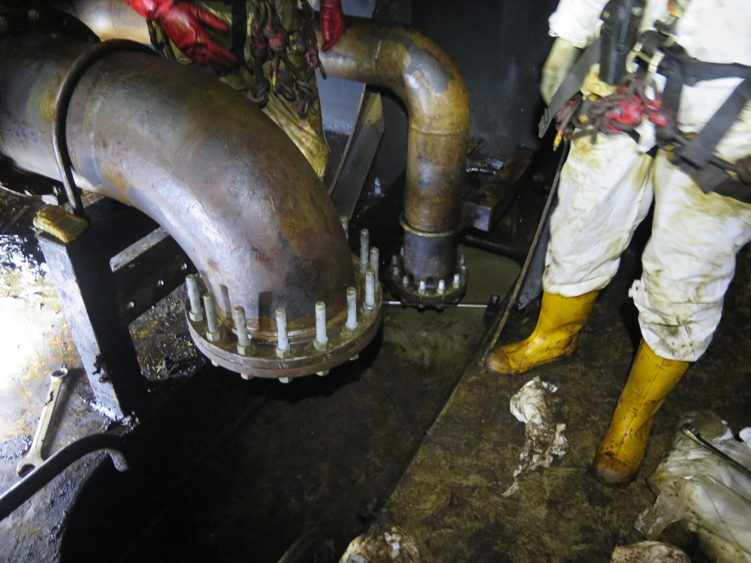
Our team promptly inspected, cleaned and returned four cargo tanks to service while maintaining the required standards. By rethinking how the work was planned and delivered, we reduced the campaign duration from up to six months to just six weeks. The difference came from planning, flexibility and the ability to execute tasks without waiting for separate teams to mobilise.
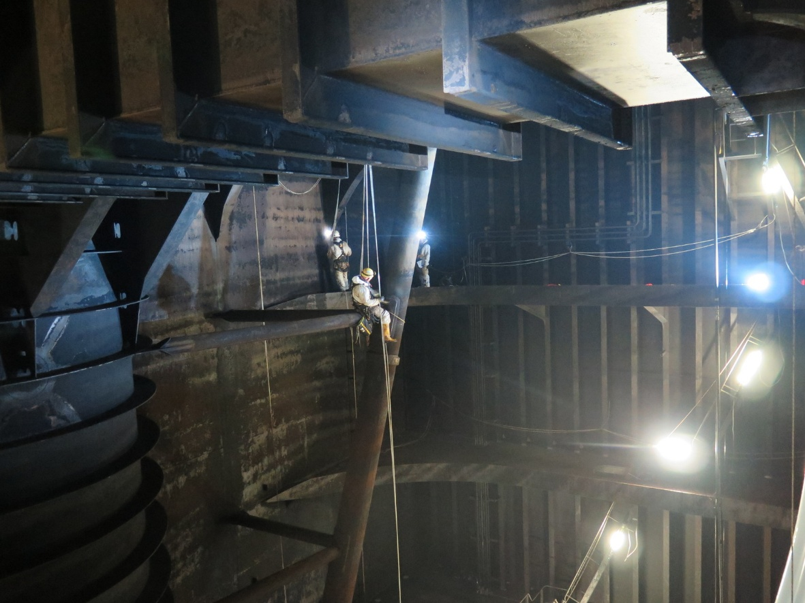
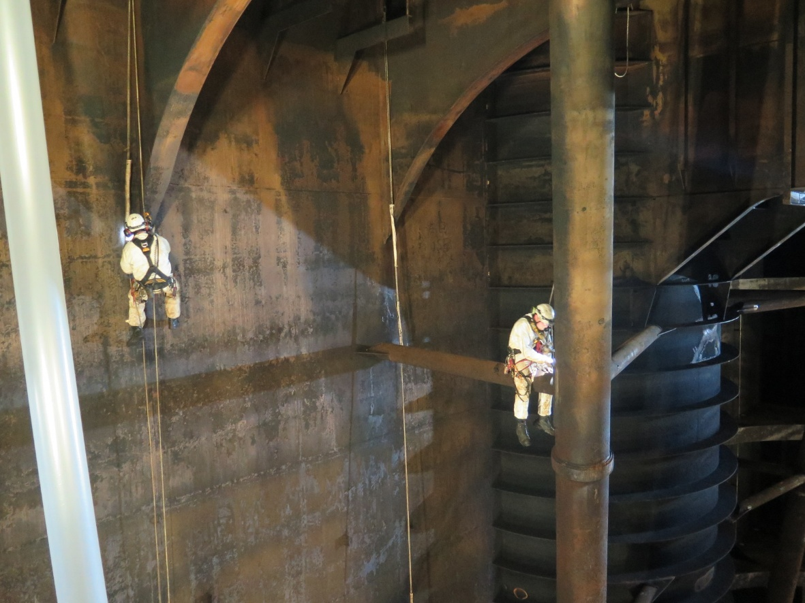
The same support extended beyond cargo tanks into ballast tanks, slop tanks and void spaces. Each area presented different access, cleaning and inspection constraints, but the principles remained the same: plan the sequence carefully, use teams that can adapt to the task, and avoid unnecessary delay between activities.
Long durations are not always driven by the work itself. But they are often driven by how the work is organised and planned.
Adam Westwell, Project Team Lead
Our support to the Triton FPSO did not rely on new technology. It relied on alternative approaches to confined space working, effective work-scope planning and project management, and disciplined execution.
For operators and integrity teams, the lesson is straightforward: long durations are not always driven by the work itself. But they are often driven by how the work is organised and planned. Improving that organisation can reduce disruption, support safer execution and extend the value of the asset over time.