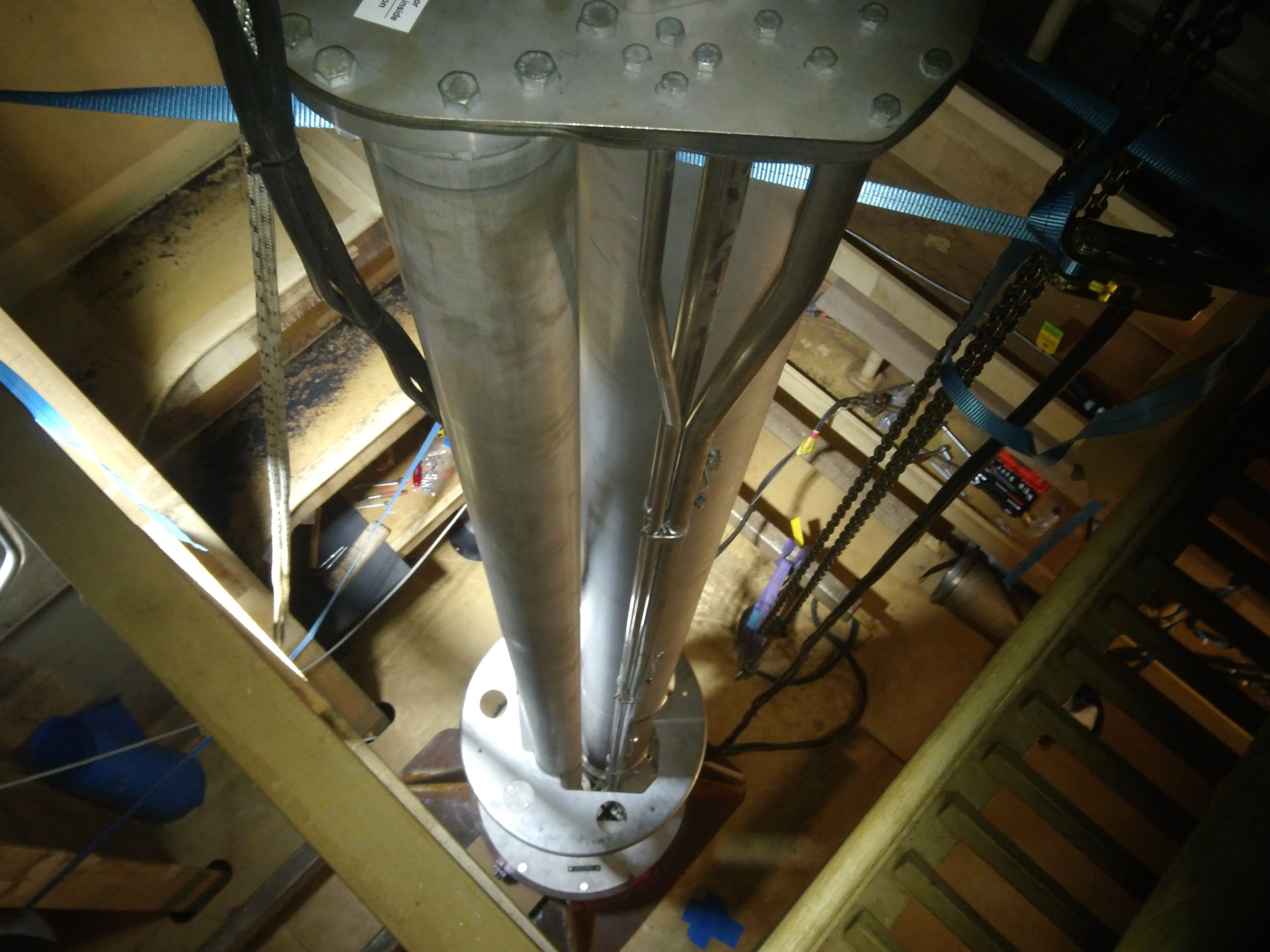
Some projects arrive with obvious drama. Others begin almost unnoticed. In 2019, this one started with vibration.
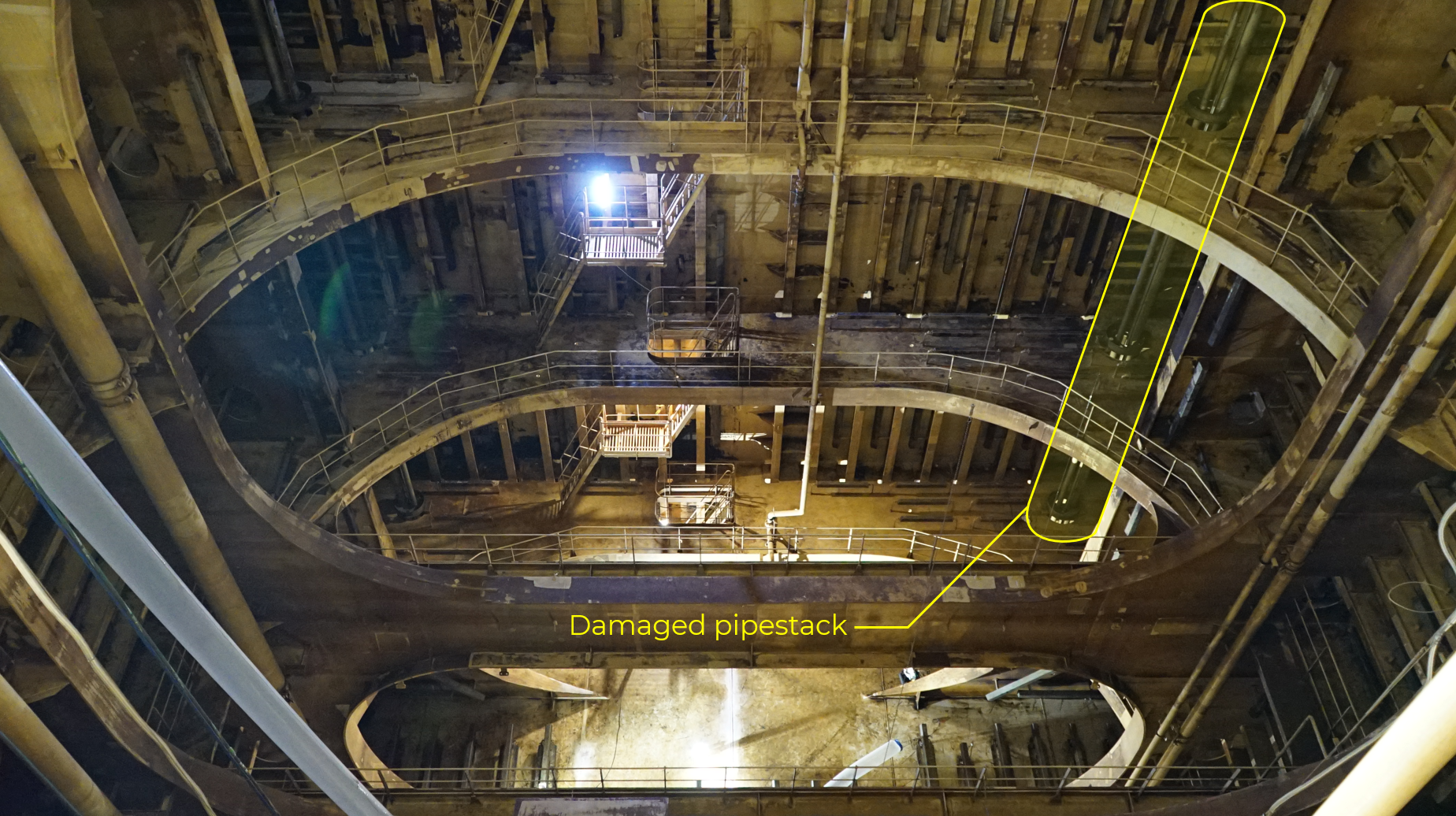
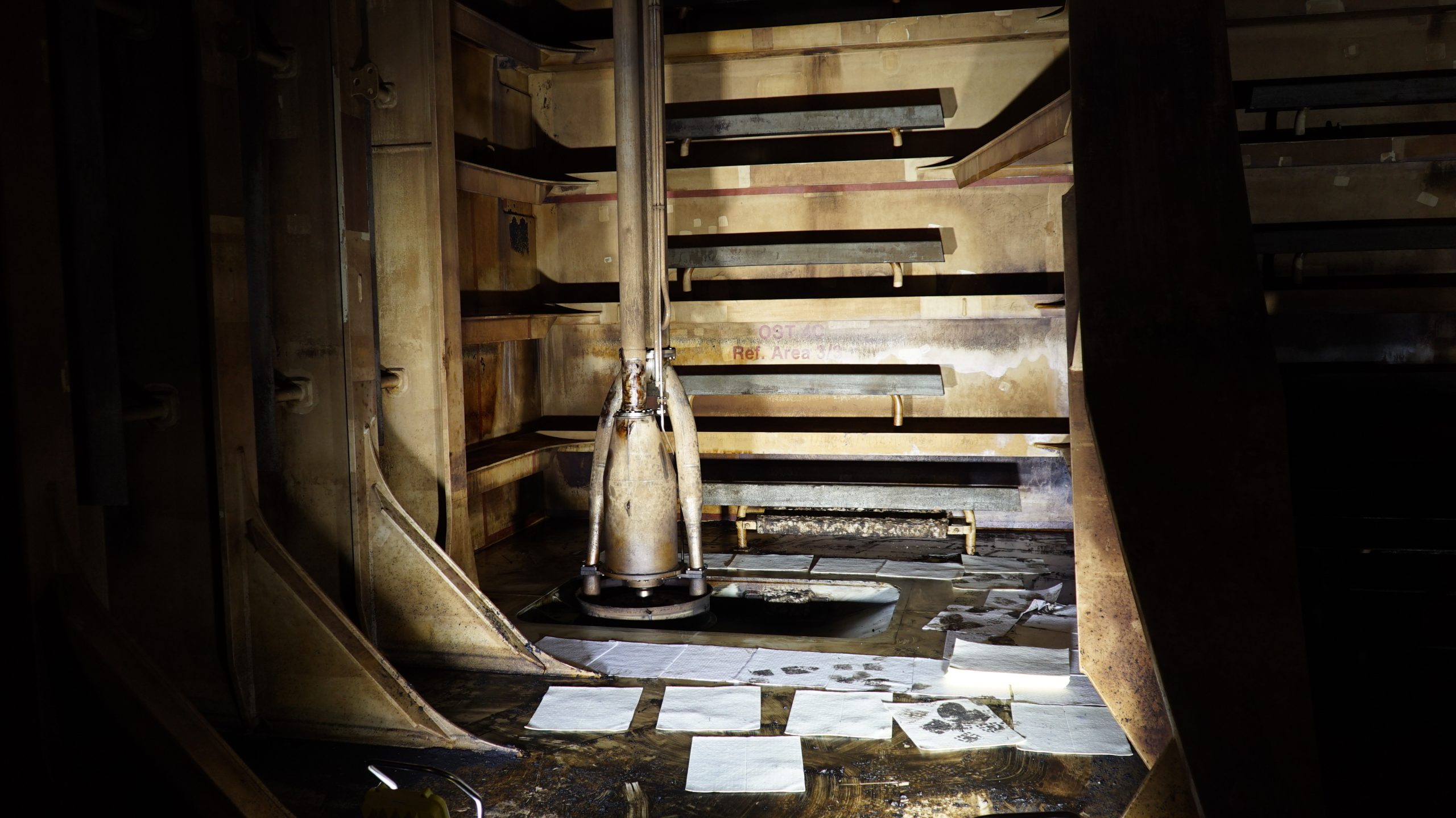
The asset was an on‑station FPSO, still producing, still doing what it was meant to do. One of the cargo pump pipestacks sat fully submerged in an off‑spec tank, and something about it was no longer right.
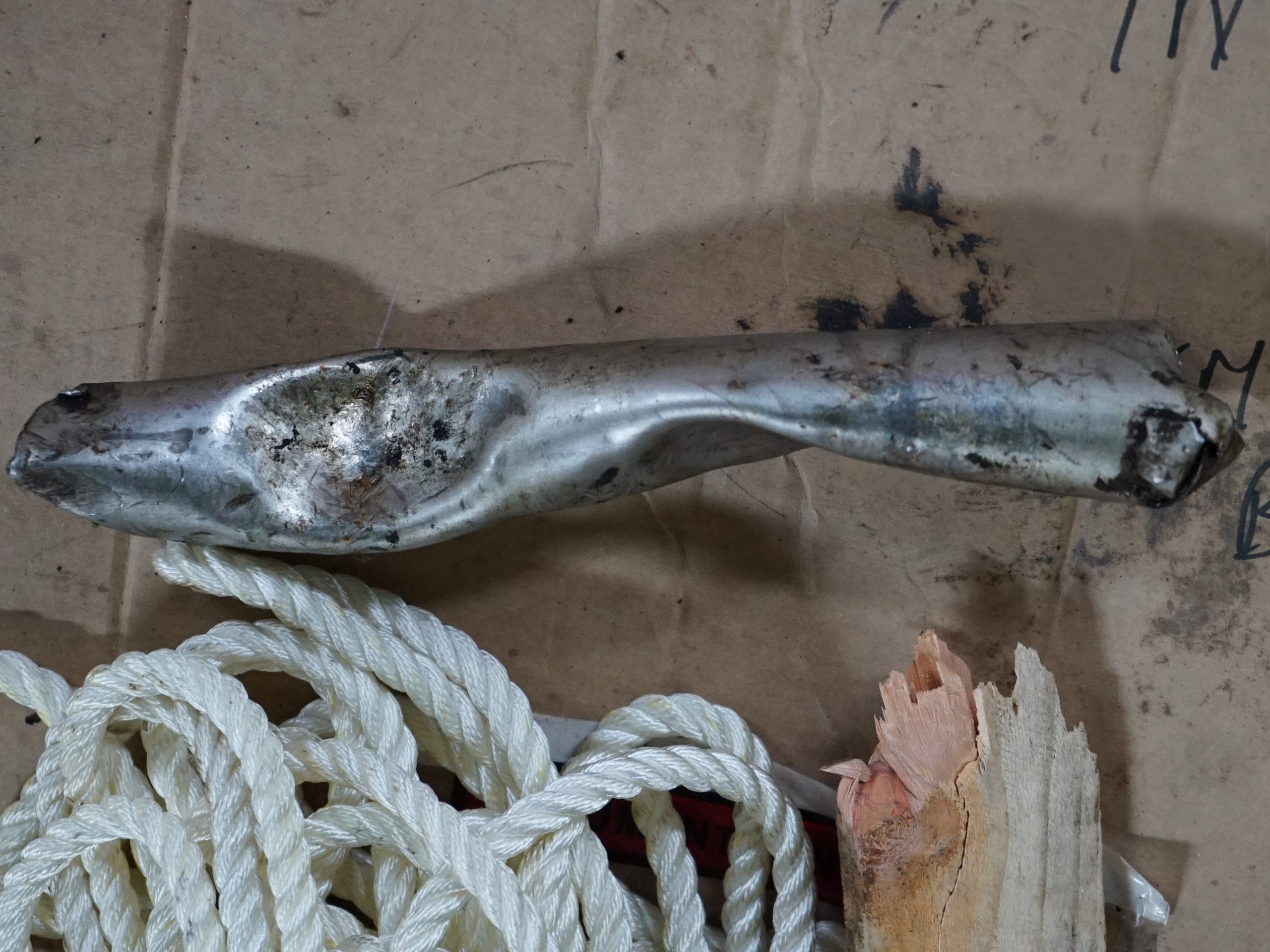
By the time the tank was fully drained and the pumping system inspected, the cause became clear. A large item of debris had been trapped within the tank, interacting with the submerged hydraulic pumphead. The result was sustained vibration. Over time, that vibration did what vibration always does. It found the weak points first.
Support brackets had cracked. Local damage was evident. Integrity was no longer assured. Suddenly, a system normally installed once and then largely forgotten had become the focus of an unusually complex project. The decision was taken to fully replace the pipestack.
Why pipestacks are not meant to be replaced offshore
Cargo pump pipestacks are not designed with offshore replacement in mind. During original vessel construction, they are assembled in long, flanged sections and lowered into the tank by crane in a shipyard environment. For this FPSO, the full assembly was around 27 metres long, split across six large sections.
That approach works well when the vessel is still a hull on blocks and there is nothing above the deck. It works much less well once topsides modules have been installed and headroom above the pipestack deck opening is severely restricted.
Those constraints are inconvenient in theory. On a producing FPSO, they become decisive.
In this case, the vessel was on station, in production, with topsides directly above the opening. There was no realistic way to replicate the original installation method. No room for long lifts. And no appetite for taking the asset out of service.
The question was no longer whether the pipestack could be replaced, but how far conventional thinking could be stretched without breaking.
A problem that forced a rethink
A full pipestack replacement offshore, while on station and producing, is not a standard playbook item. There were no established procedures to lean on. The geometry was awkward. Access was constrained. Lifting options were limited. All the work would take place in a confined tank environment that had already shown its ability to surprise.
This was less about finding a perfect solution and more about finding one that could actually be executed.
Managing risk in a live, confined environment
From the outset, risk management was not treated as a single activity, but as a framework that shaped how the project was planned and executed. Working inside a cargo tank on an operational FPSO meant hazards could not be bundled together and managed generically. Each phase of the work introduced its own risks, and each required focused attention.
To address this, six discrete risk assessments were developed, reviewed, and implemented, aligned directly with the way the work would be carried out offshore. These covered:
- Initial equipment setup and material handling on the main deck
- Application of positive tank isolations
- Initial confined space entry and tank setup
- Hot washing and pumping of residual fluids from the tank
- Cutting and destruct activities
- Lifting and handling operations during removal and reinstatement
Breaking the scope down in this way allowed hazards to be identified early and managed in context, rather than relying on broad controls that often fail under real operating conditions. Mitigation measures were specific, practical, and owned by the team executing the work, not just documented in a work pack.
Contingency planning was treated with the same level of importance. Spare equipment was identified and mobilised where appropriate, tooling choices were deliberately conservative, and recovery options were considered in advance for each critical activity. The aim was not to eliminate uncertainty entirely, but to ensure that when conditions changed, the team had already thought through how to respond.
That approach paid off. No phase of the work required reactive re‑planning offshore, and no unexpected hazards emerged that had not already been considered during preparation.
Taking the old pipestack apart
Before anything new could be installed, the existing pipestack had to be removed in a controlled and methodical way. This was not demolition in the usual sense. It was careful disassembly, carried out on a live asset where nothing could be allowed to move unexpectedly.
The hydraulic pipework was fully drained, and the cargo pipe was internally cleaned from the main deck using hot wash jetting units. That step mattered more than it might sound. It reduced risk, improved visibility, and ensured that what followed could be done safely and deliberately.
Due to the presence of cofferdam pipes tied into the piping assembly, additional measures were needed to maintain stability during the destruct phase. Securing bolts were drilled through the cofferdam pipe and into the internal piping sections, locking the internal pipework in place before any cutting began. It was a simple idea, but a critical one. Nothing inside the tank was left free to shift under its own weight.
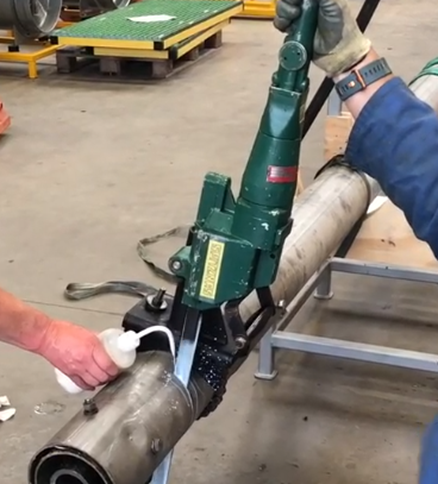
With the system secured, the pipestack was cut into smaller, manageable sections using an electric reciprocating saw. The choice of tool was deliberate. It allowed precise, low energy cutting, well suited to the confined environment and the need for control. Section by section, the original pipestack was reduced and removed, clearing the way for what would follow.
Making the installation physically possible
One of the earliest constraints to land on the table was head height. With topsides in place, there simply was not enough vertical clearance to lower long pipe sections into the tank.
The solution came from working closely with the pipestack OEM, who fabricated new replacement sections with a maximum length of around 3.7 metres. That single change reshaped the project. More sections meant more flanged connections, more handling, and more interfaces that needed careful management.
But it also made the installation physically possible. Sometimes progress comes from accepting additional complexity in one place to remove a hard stop somewhere else.
Moving pipestack sections efficiently
Another challenge sat waiting topside. Once the replacement sections arrived on the vessel, they had to be moved around a congested deck area and positioned for lowering into the tank.
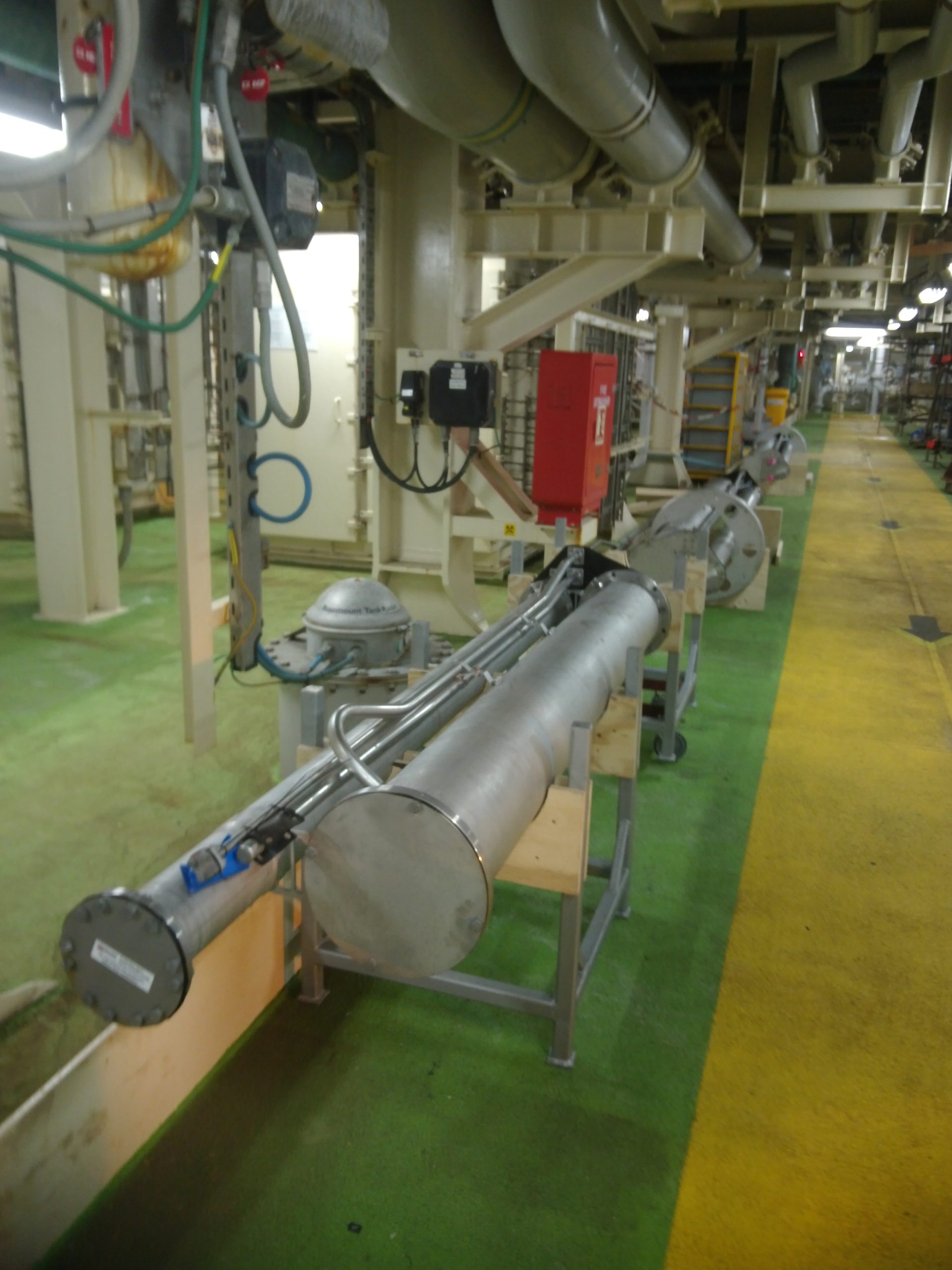
Traditional rigging and lifting could have done the job, but at the cost of repeated crane movements, suspended loads, and increased risk of contact damage. Instead, bespoke pipe trolleys were designed and fabricated specifically for the project.
These trolleys allowed pipestack sections to be moved across the deck using offshore pallet trucks, reducing reliance on lifts and limiting opportunities for mishandling. It was a small intervention with a big impact. Less rigging. Fewer interfaces. Better flow. Details like this rarely make headlines, but they are often the difference between a smooth execution and a long series of near misses.
If you build it, they will come.
Rather than lowering a fully assembled structure into the tank, the new pipestack was built up section by section inside it. This required a complete rethink of how load was managed during assembly.
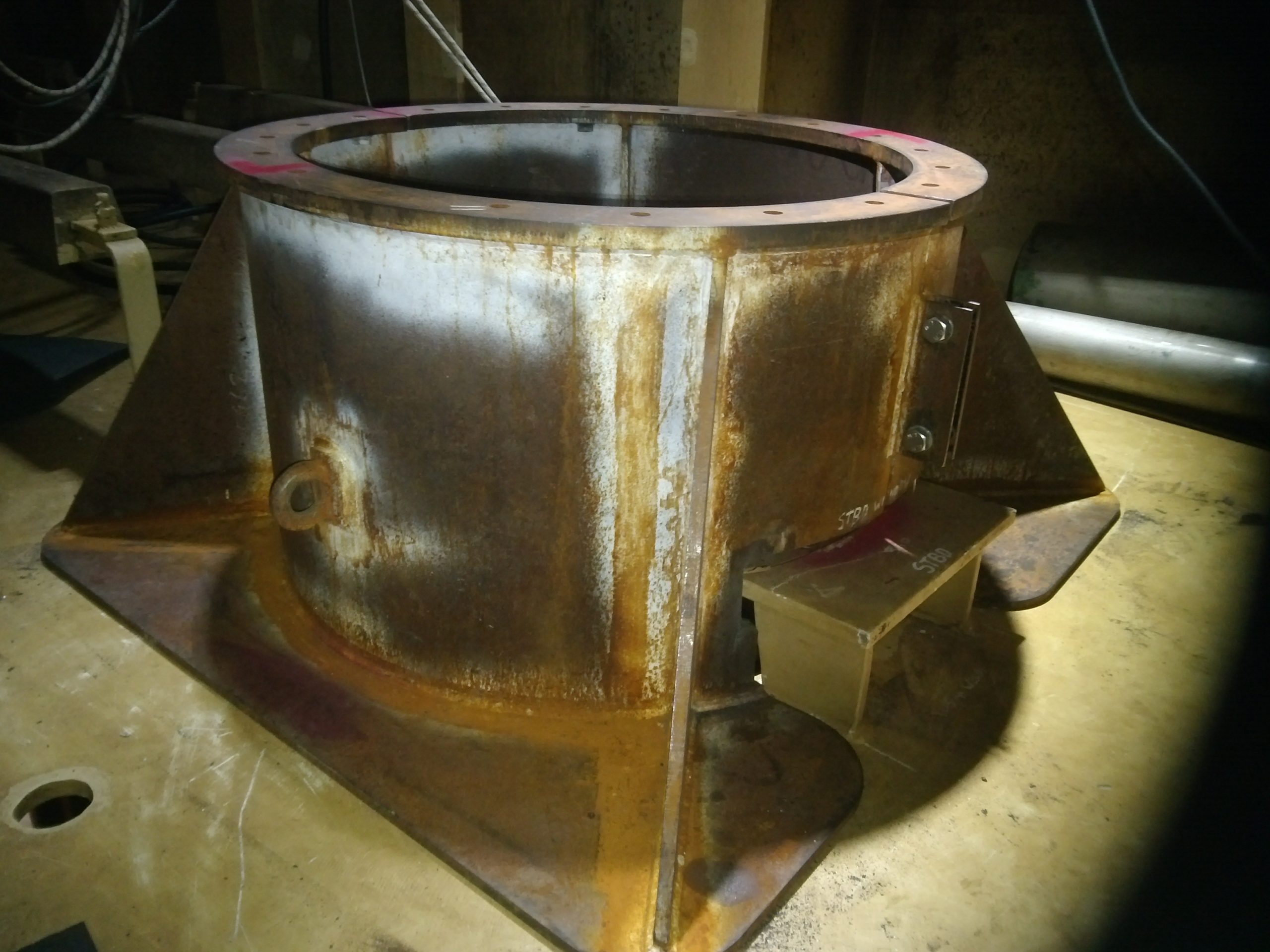
A bespoke hang‑off deck stool was designed, fabricated, load tested, and installed at the uppermost stringer within the tank. This stool allowed the growing weight of the pipestack to be safely supported as each new section was added, maintaining control and alignment throughout the process.
It was not glamorous equipment. It did not look clever. But it did exactly what it needed to do, which is often the highest compliment you can give engineering hardware.
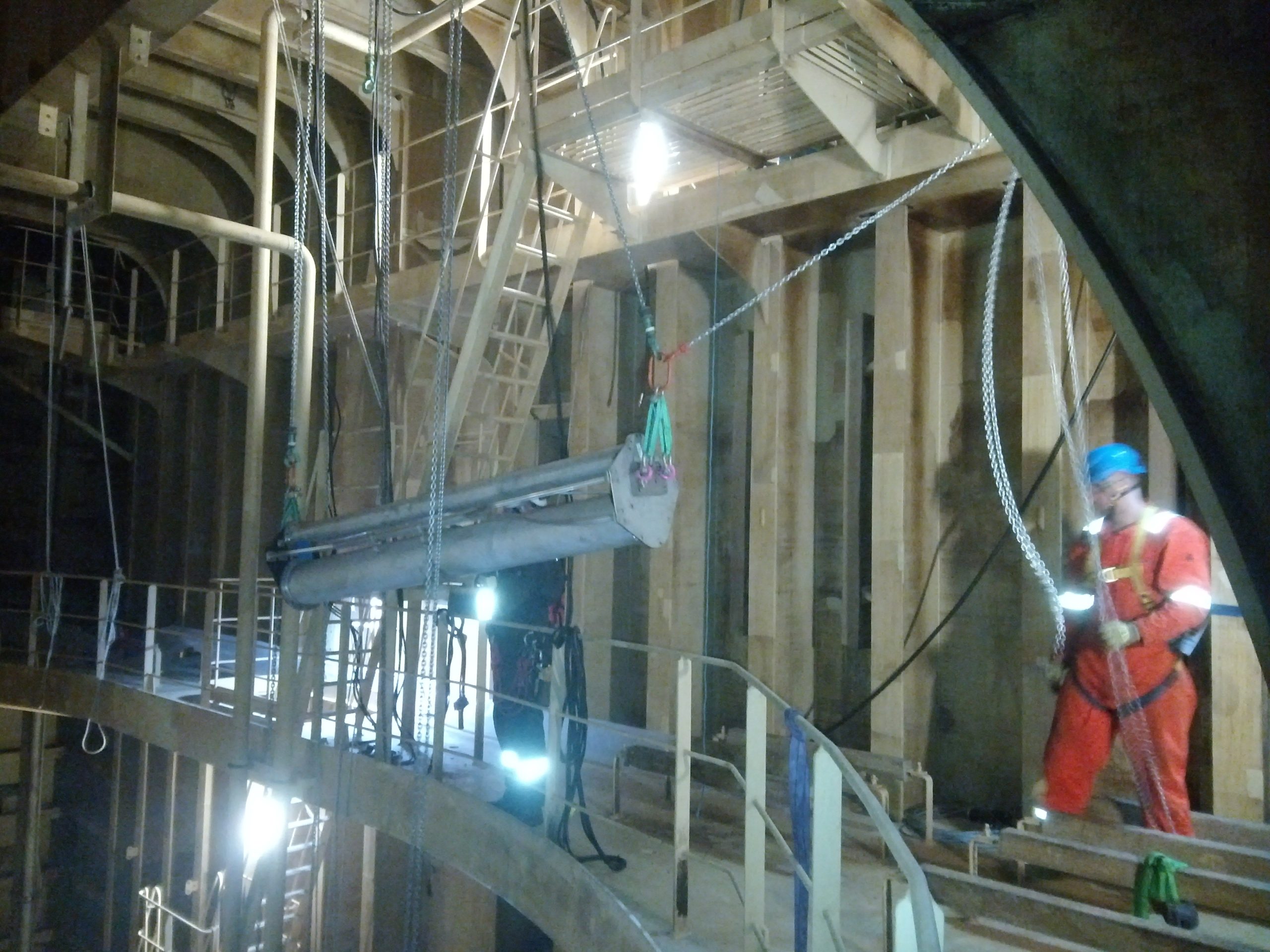
Confined space work has a way of sharpening decision making. Everything takes longer. Every movement matters. Sequencing becomes critical, because undoing a step is rarely straightforward.
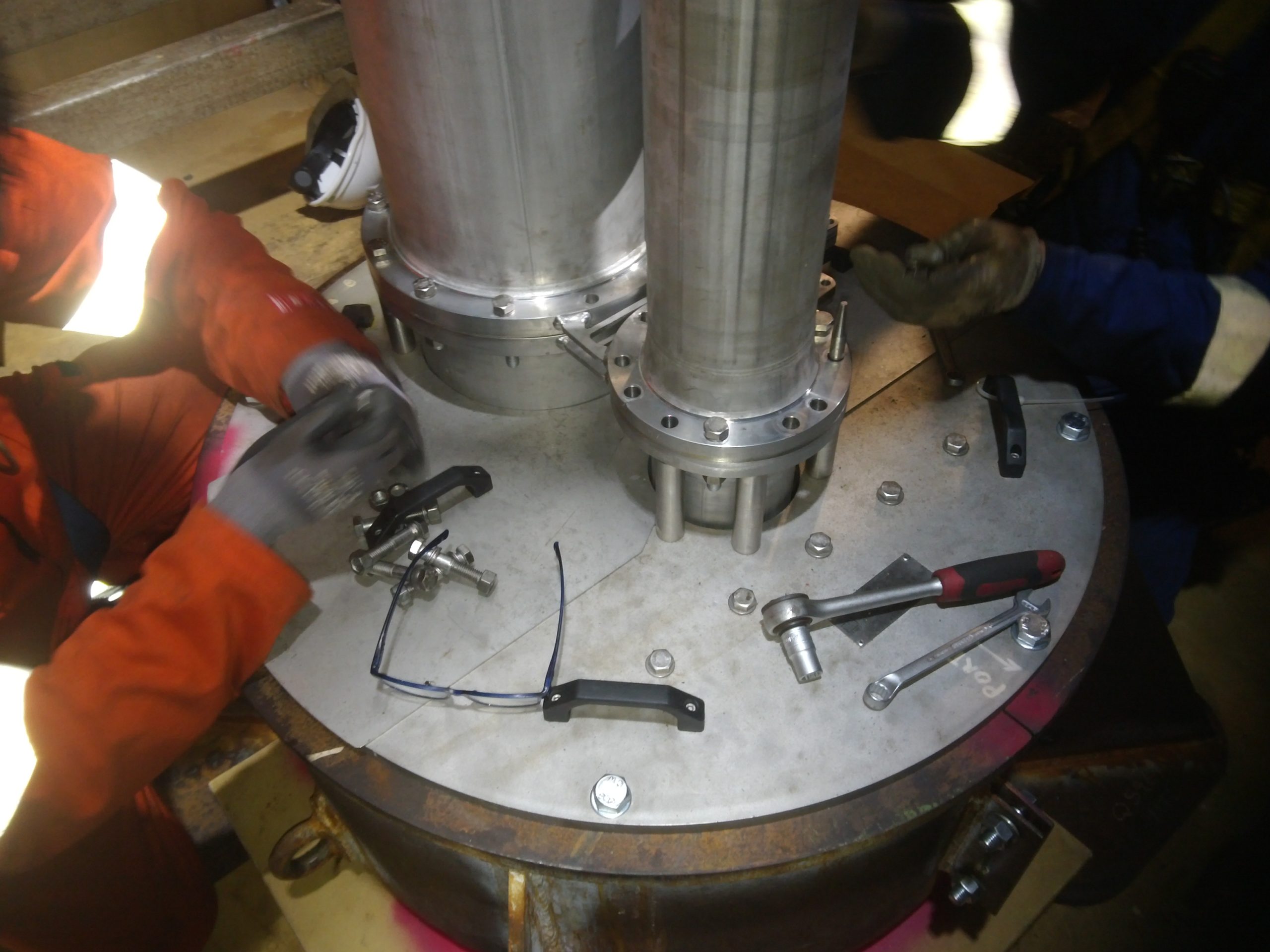
As the pipestack was assembled within the tank, each section had to align perfectly with the last. Flange faces had to meet cleanly. Bolting had to be controlled. Support brackets had to land exactly where intended.
There was no space for rushing. No room for “we’ll fix that later”. The environment itself enforced discipline, which is not always a bad thing.
Why this project still stands out
This project remains memorable not because it was dramatic, but because it forced a departure from normal assumptions. Pipestacks are not meant to be replaced offshore or rebuilt section by section. FPSOs are not meant to host this kind of work while producing.
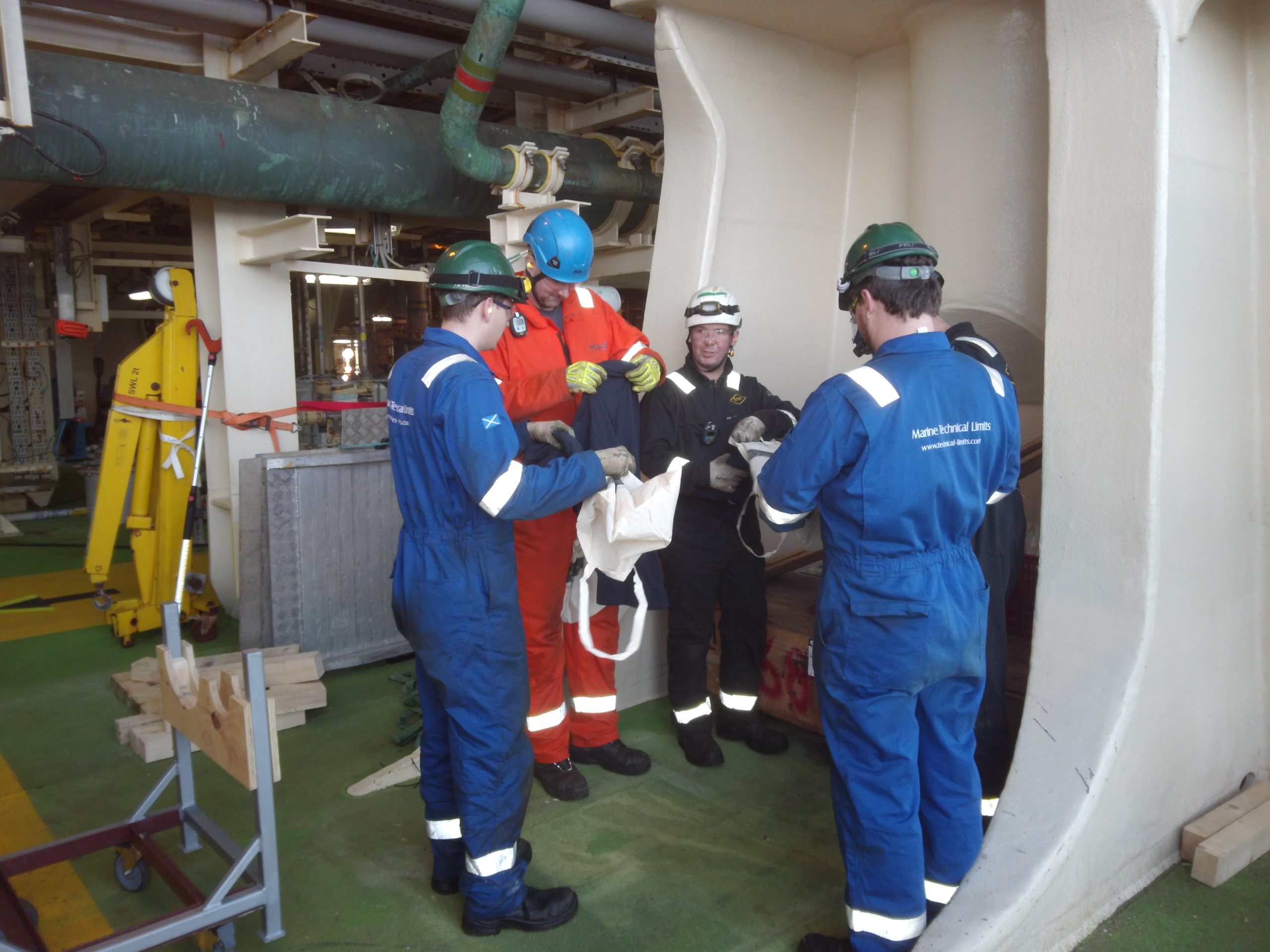
And yet, with careful engineering, close collaboration, and a shared willingness to challenge the usual installation logic, it was delivered safely and successfully. That only worked because the project was built on trust, clear leadership, and a team that understood both its individual responsibilities and the wider objective. Decisions were taken collectively, problems were surfaced early, and no one tried to solve issues in isolation.
Looking back, the technical challenges were only part of the story. The bigger lesson was about adaptability, not just in design, but in how the team operated. When original construction logic no longer applies, the asset still needs answers. Providing those answers means being comfortable working outside familiar patterns, and relying on people as much as calculations.
Measuring success beyond completion
Projects like this are often judged simply on whether they are finished or not. That bar is too low.
From a performance perspective, this project delivered outcomes that are worth stating plainly. A six‑person team executed what is believed to be a world‑first replacement of an entire cargo pump pipestack on an operational FPSO. The offshore phase of the project commenced on 9th August 2019 and was completed on 9th October 2019.
There were no accidents or incidents during execution. No unplanned shutdowns. No integrity issues identified during pipestack commissioning. The system was returned to service without restriction.
Those results were not accidental. They reflected preparation, sequencing, and disciplined execution, rather than speed for its own sake. Progress was monitored against a defined plan, deviations were managed deliberately, and interface risks were controlled rather than absorbed.
In practical terms, success was measured by:
- Zero accidents and zero safety incidents
- Successful commissioning with no pipestack integrity issues
- Completion within the planned offshore window despite scope complexity
- Minimal disruption to ongoing production operations
For a scope of this nature, those metrics matter more than any individual technical solution.
Lessons learned and recommendations for future projects
Several lessons from this project are worth carrying forward.
First, complex offshore replacements demand risk assessments that reflect how work is actually done, not how it looks in a simplified sequence diagram. Splitting risk assessments by phase gave the team clarity and focus, and it reduced the chance of important hazards being missed in the noise.
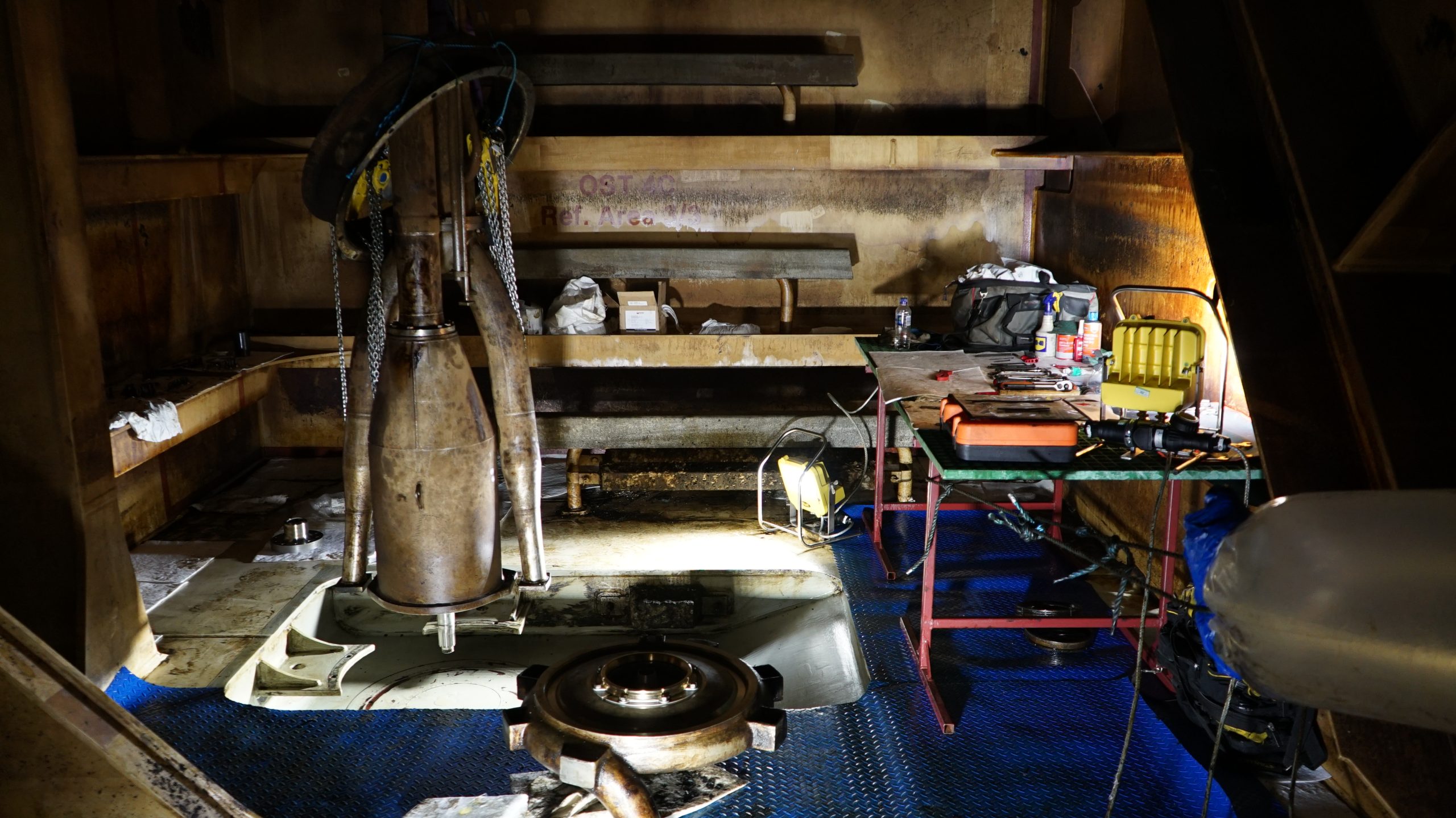
Second, we learned the value of protecting specialist activities so they could be performed unhindered in a confined space. We created a dedicated workshop area in the space adjacent to the pumphead. That gave the team a stable, organised worksite for complex maintenance tasks without blocking access routes or interfering with other activities. In practice, it reduced congestion, cut down rework, and proved invaluable to the successful outcome of the scope.
Third, tooling and handling methods deserve as much engineering attention as the primary system being installed. The construction aids and handling approach were not just conveniences, they removed risk at critical points in the execution.
Finally, future projects should recognise the importance of control of readiness, particularly around certification, materials completeness, and training/competence for specialist tasks. When those basics are right, offshore time is spent executing, not recovering.
For similar scopes, the recommendation is simple. Treat constraints as design inputs, plan risk management around execution reality, and make space for specialist work to happen properly at the point of need, not somewhere improvised later.
A quiet takeaway
Projects like this are a reminder that offshore engineering is not just about strength and capacity. It is about access, sequencing, handling, and respect for constraints that cannot be argued away.
Sometimes, the job is not to force the structure to fit the plan, but to let the plan adapt to the structure.
And when that happens, good engineering tends to follow.