
Some integrity project managers are lucky and never have a moment like this. An inspection report lands in your inbox. You scan it quickly, then stop. Go back. Read it again. There it is. A crack in the side shell plating. A loss of watertight integrity to the asset.
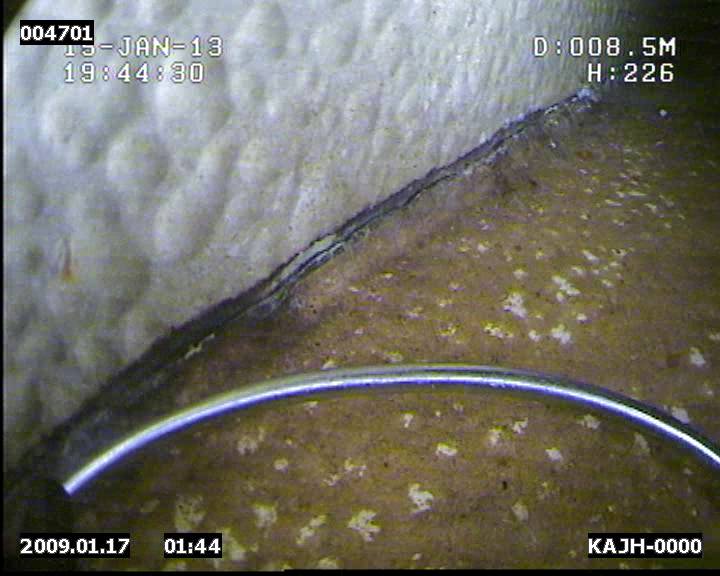
In early 2013, that moment came for me whilst working for the North Sea Production Company, and supporting the North Sea Producer, an FPSO that had already lived several lives by that point. The defect was in the side shell, in way of Wing Ballast Tank 7 Starboard, at the toe of the fillet weld connecting longitudinal stiffener #33 to the shell plating. It did not take long to realise this defect carried implications for structural integrity, fatigue assumptions, challenges with repair execution, and the uncomfortable possibility of similar defects elsewhere on the vessel.
You know what? Those are often the projects that stay with you the longest.
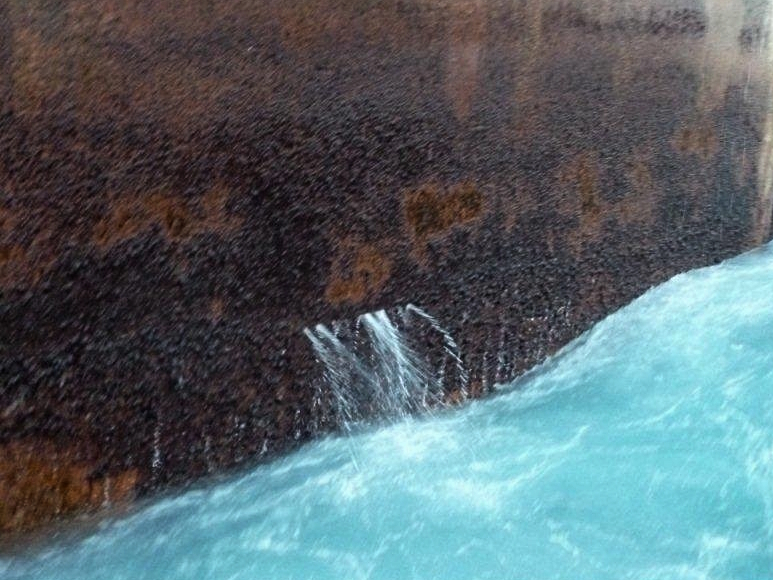
The vessel’s history
The North Sea Producer was not a young ship. Built as a tanker in the early 1980s, converted to an FPSO in the mid 1990s, and operating steadily in the Central North Sea, it was a product of its era. High tensile steel in the longitudinals. Reduced scantlings. Corrosion control notations that shaved steel weight where possible. All sensible decisions at the time for a trading tanker that could regularly visit a dry-dock.
By 2013, the vessel had been operating as an FPSO on station for more than 15 years. Loading patterns were predictable and wave action was relentless. From a fatigue point of view, that kind of consistency is not always a good thing.
Generic fatigue issues had been seen before, analysed before, and repaired before. Nothing about this vessel suggested it was fragile. And yet, here we were.
The defect
The crack sat at mid span of the longitudinal, close to the typical operating waterline. That detail mattered, although it did not fully register at first. It was through thickness, initiating at the upper toe of the fillet weld, in parent material rather than the weld metal itself.
Initial questions came thick and fast. Was this poor welding from original construction? Was it a one-off defect? Was corrosion playing a role? Or was this fatigue?
A failure mechanism hiding in plain sight
The uncomfortable truth was that prior fatigue assessments had not flagged this connection as a hotspot. The side shell longitudinal to plating weld did not scream danger in the models. It sat quietly in the background while attention focused elsewhere, as it so often does.
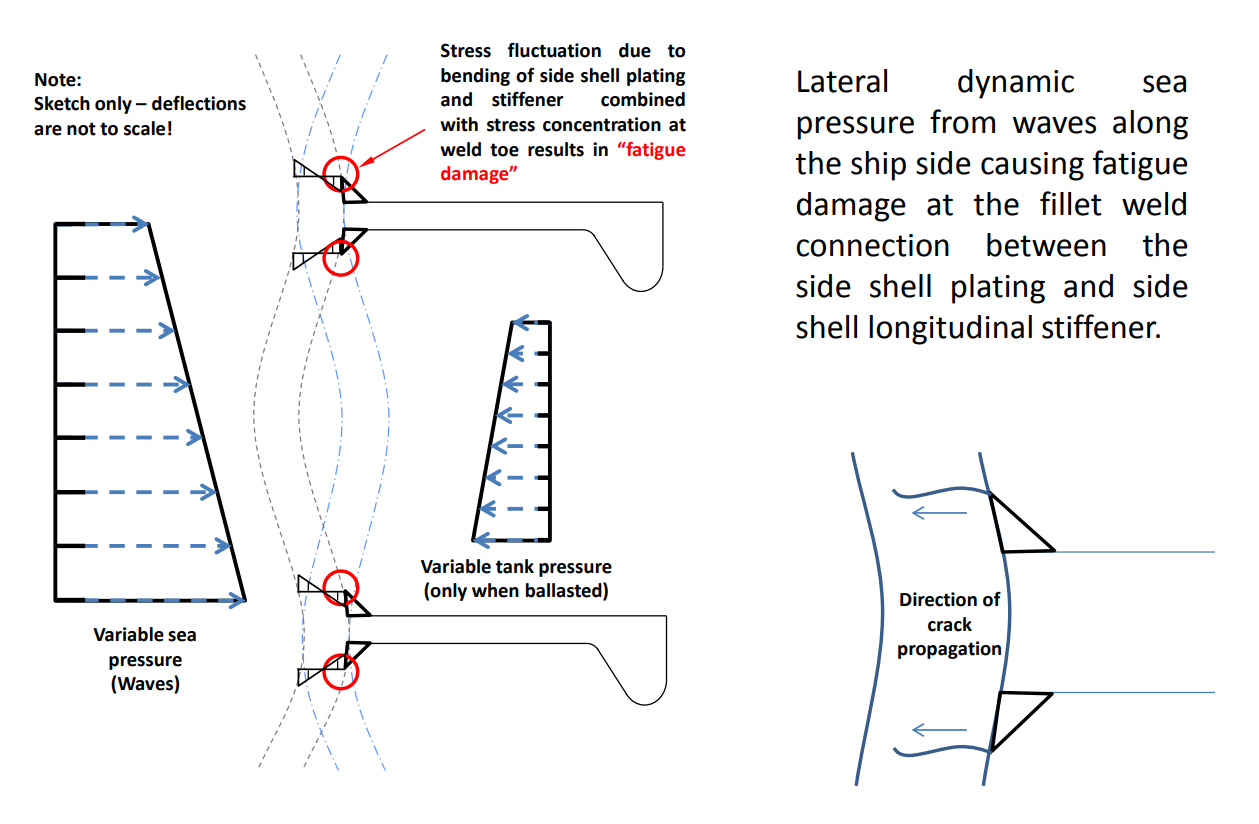
And yet, the vessel had been absorbing lateral dynamic sea pressure for years. Every passing wave flexed the side shell plating. The longitudinal stiffener followed along, slightly out of phase. At the weld toe, stresses concentrated. Not enough to fail quickly. Just enough to accumulate damage, cycle by cycle.
This mechanism had been seen on other North Sea vessels, particularly shuttle tankers, but it was not common enough to be front of mind. The fatigue analysis tools of the time did what they were asked to do. They just were not asked the right question.
Choosing the repair approach
Once the crack was confirmed, the path forward became clear in one sense and complex in another. A permanent repair was required. It had to be done offshore. It had to maintain class. And it had to be executed with minimal drama.
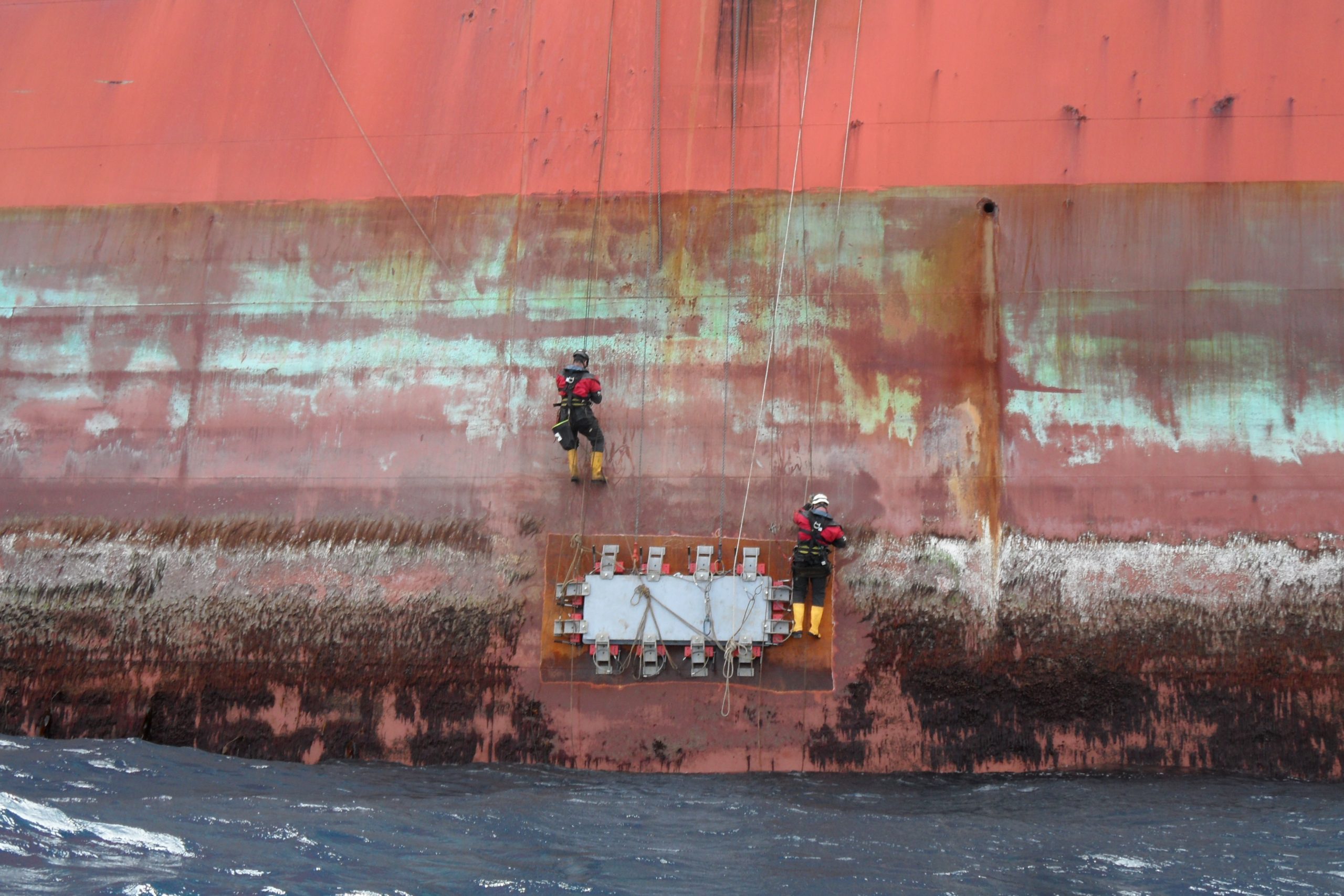
The solution was a cofferdam repair, allowing external isolation of the shell so internal steel replacement could be done safely. On paper, the method was robust. In practice, it involved magnets, brackets, precise alignment, controlled loading conditions, and weather windows that do not forgive optimism.
This is where one of the most important decisions of the project was made. Before anyone mobilised offshore, a full onshore trial of the cofferdam installation was carried out.
Honestly, this step does not always get the credit it deserves.
The onshore trial did more than validate the design. It built confidence. It exposed practical issues while they were cheap and fixable. It allowed the team to rehearse sequencing, tolerances, and handling without the added pressure of weather, motion, and time.
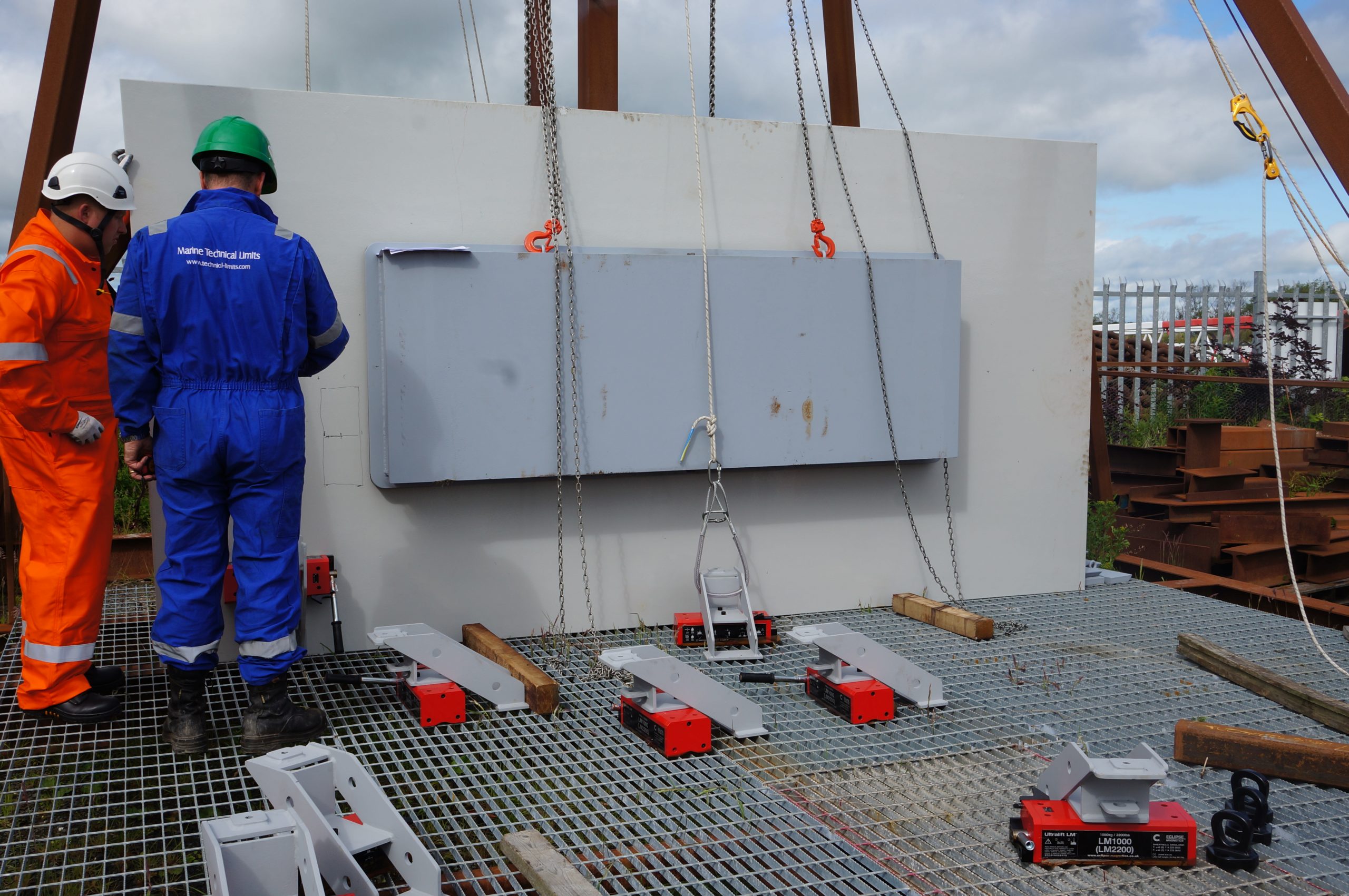
By the time we went offshore, the cofferdam installation felt familiar. That matters more than people sometimes admit. Offshore work rarely fails because of big ideas. It fails because of small surprises.
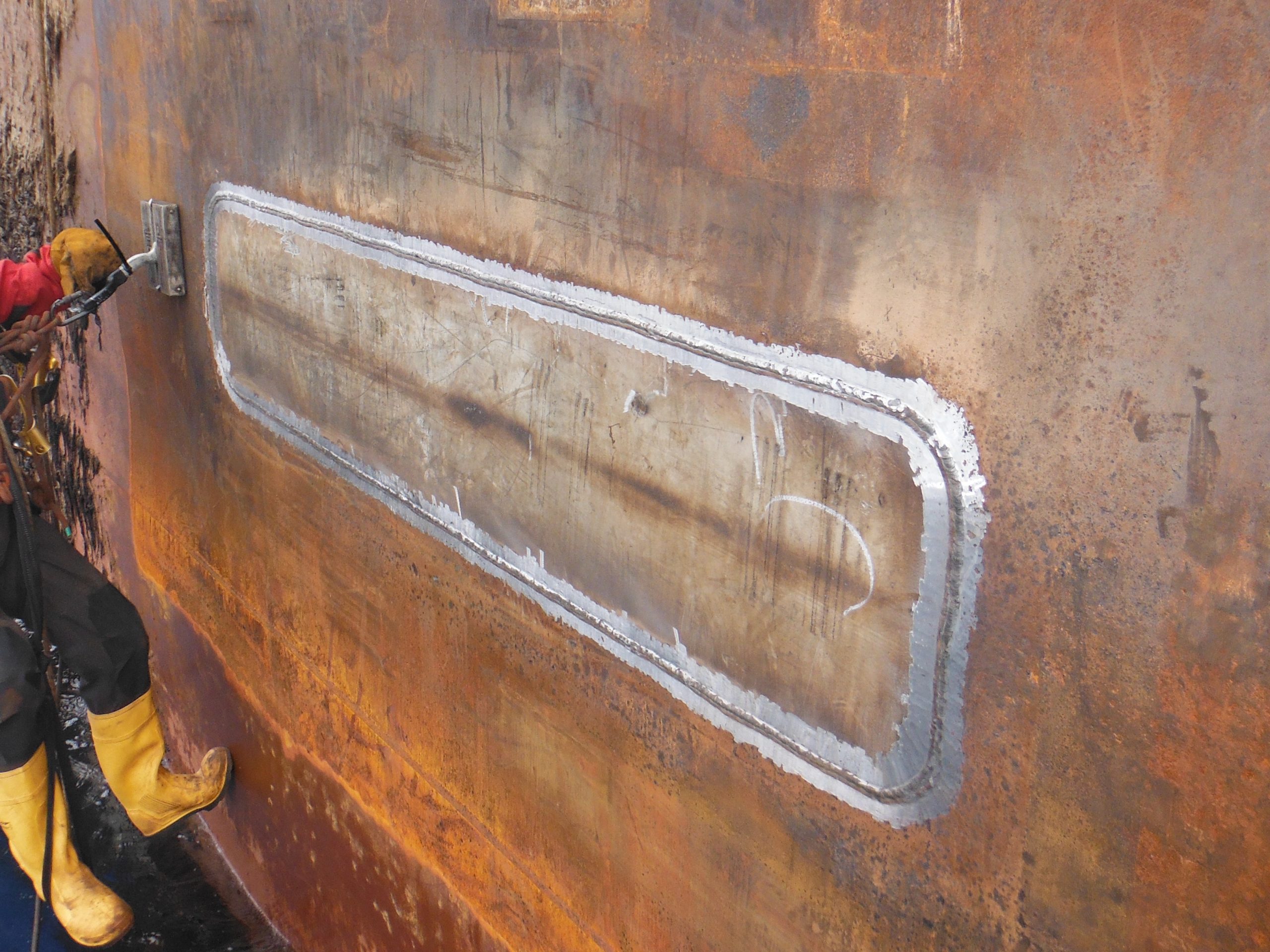
When execution came, it went smoothly. The cofferdam sealed. The internal cut out and insert plate installation followed the repair specification. Welding, inspection, and reinstatement were completed without incident. No drama. Just solid engineering doing its job
Looking back at what could have been avoided
With time, the most striking part of this project is not the repair itself. It is the realisation that the crack did not need to happen.
Had the fatigue hotspot been properly identified during earlier life extension work, preventative measures could have been applied. Ultrasonic peening of the weld toes, for instance, could have removed weld toe imperfections and introduced compressive stresses to the weld arrangement. A relatively modest intervention compared to the cost, risk, and operational disruption of an offshore cofferdam repair.
This is not a criticism of the engineers involved with the fatigue analysis at the time. It is a reminder of the limits of analysis and the importance of learning from service experience across fleets and regions.
Lessons that still matter
Several lessons from this project still feel relevant.
First, do not let “low risk” locations disappear from thinking entirely. Fatigue analysis is probabilistic, not binary.
Second, full scale trials are not indulgent. They are insurance. They help to ensure that things go well when it really matters.
Third, preventative treatments often struggle to compete for budget against visible repairs. That is understandable, but not always wise. Having since moved into a role at Marine Technical Limits, working closely with ageing assets and life extension programmes, I see this trade off more clearly than ever. Thoughtful consideration of preventative treatments at the right time can make the difference between an asset reaching the end of its extended life quietly, or being interrupted by avoidable repair campaigns.
And finally, structural integrity management is as much about curiosity as it is about calculation. Asking why something cracked, even when the analysis said it should not, is how the next crack gets detected before it becomes critical, or better still, prevented from occurring entirely.
A quiet reminder
That crack in WBT 7S was repaired and forgotten by most. The vessel kept producing. The sea kept pushing. But for me, it remains a quiet reminder that steel structures have long memories. They remember every wave. And sometimes, they remind us that we still have things to learn.