
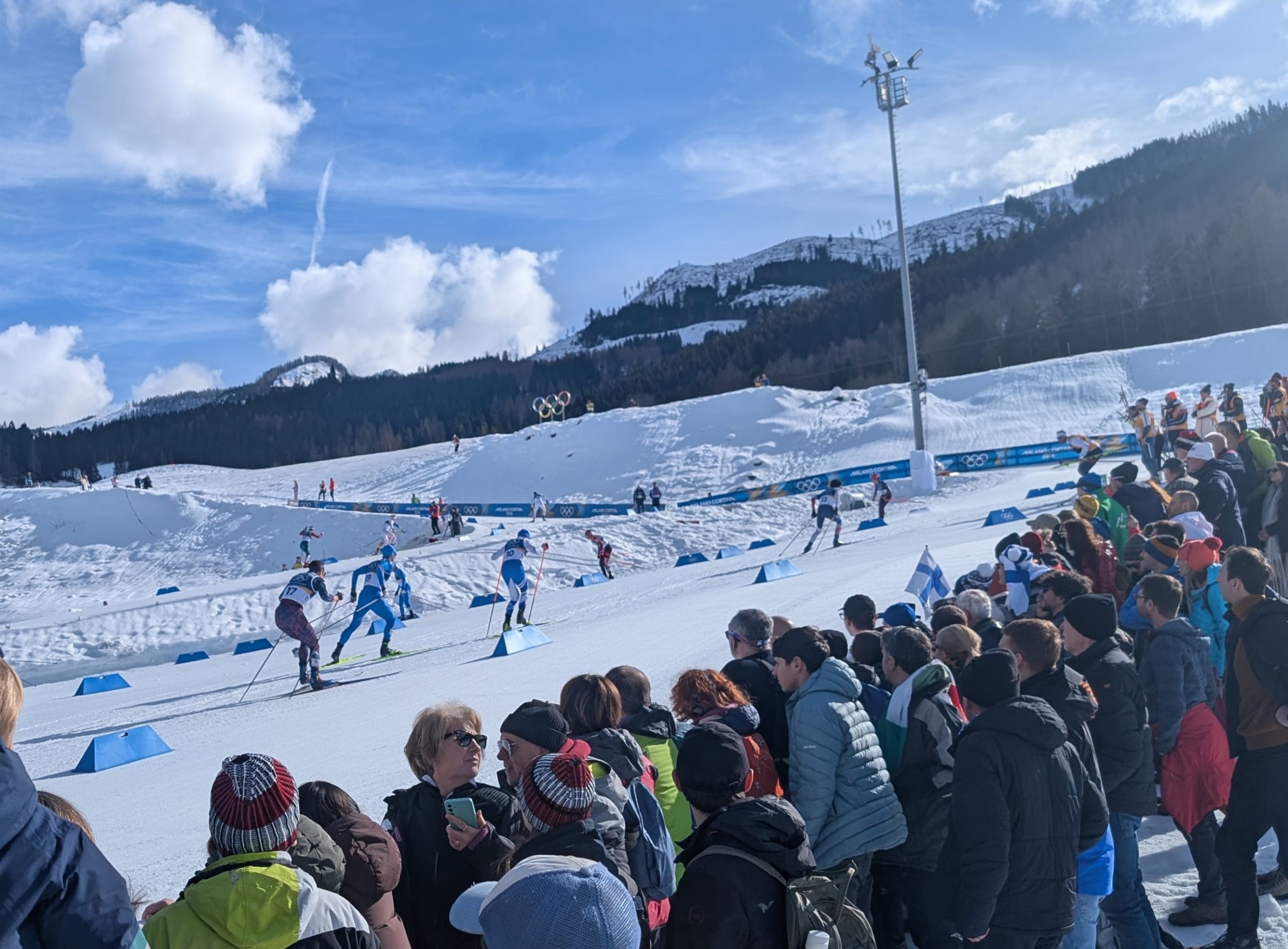
Having been a spectator at the Cross-Country skiing in the Winter Olympics just 2 weeks ago, supporting Team GB, and in particular Andrew Musgrave in the Skiathlon, I could see for myself how drone technology is being used to enhance the coverage of sports. It was interesting to notes that UAVs were used to chase the skiers in certain parts of the course, but other technologies were also used such as tracked cameras, boom cameras, an overhead jumbo-tron and, of course, cameramen in finish area amongst the competitors.
I’m certainly no expert in the area of sports coverage, but it appears to me that the objectives of media team to provide good coverage of the leaders nearly all the time whilst providing general coverage of specific course areas. Most importantly the equipment and operators must be reliable as they only get one chance. There is certainly a good amount of planning required and probably a few contingency plans in case of equipment or power failure. One thing you can probably be quite sure about is that the operators of the remote cameras will be well trained and practiced in creating the shots that the director wants to see. I expect that there are a number of practice runs to establish the best timing, camera angles and to determine reset times. It is clearly essential that the image quality is good in all feeds and that the finish is covered, however, it isn’t essential that every area of the race is fully covered or every athlete is filmed.
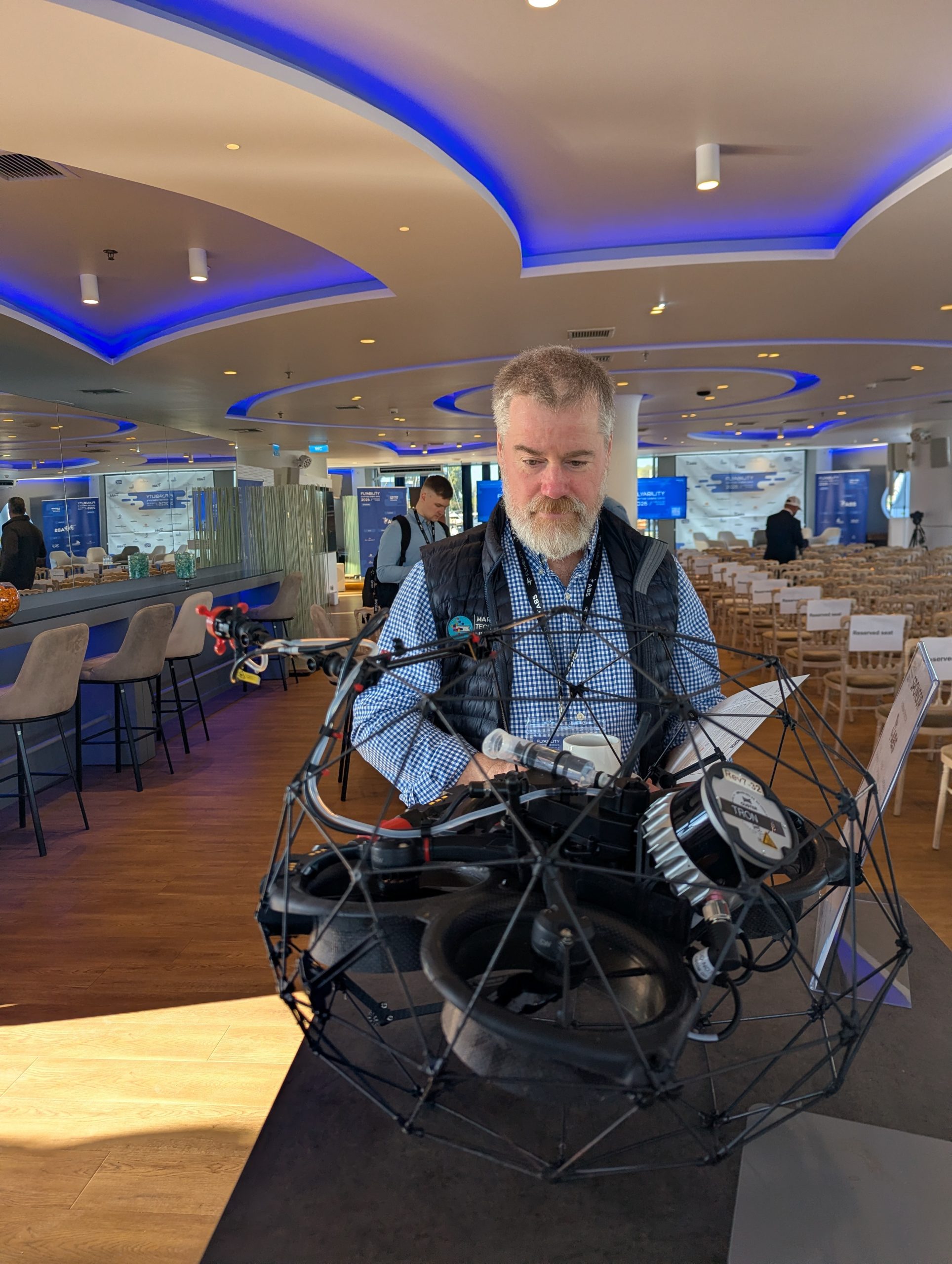
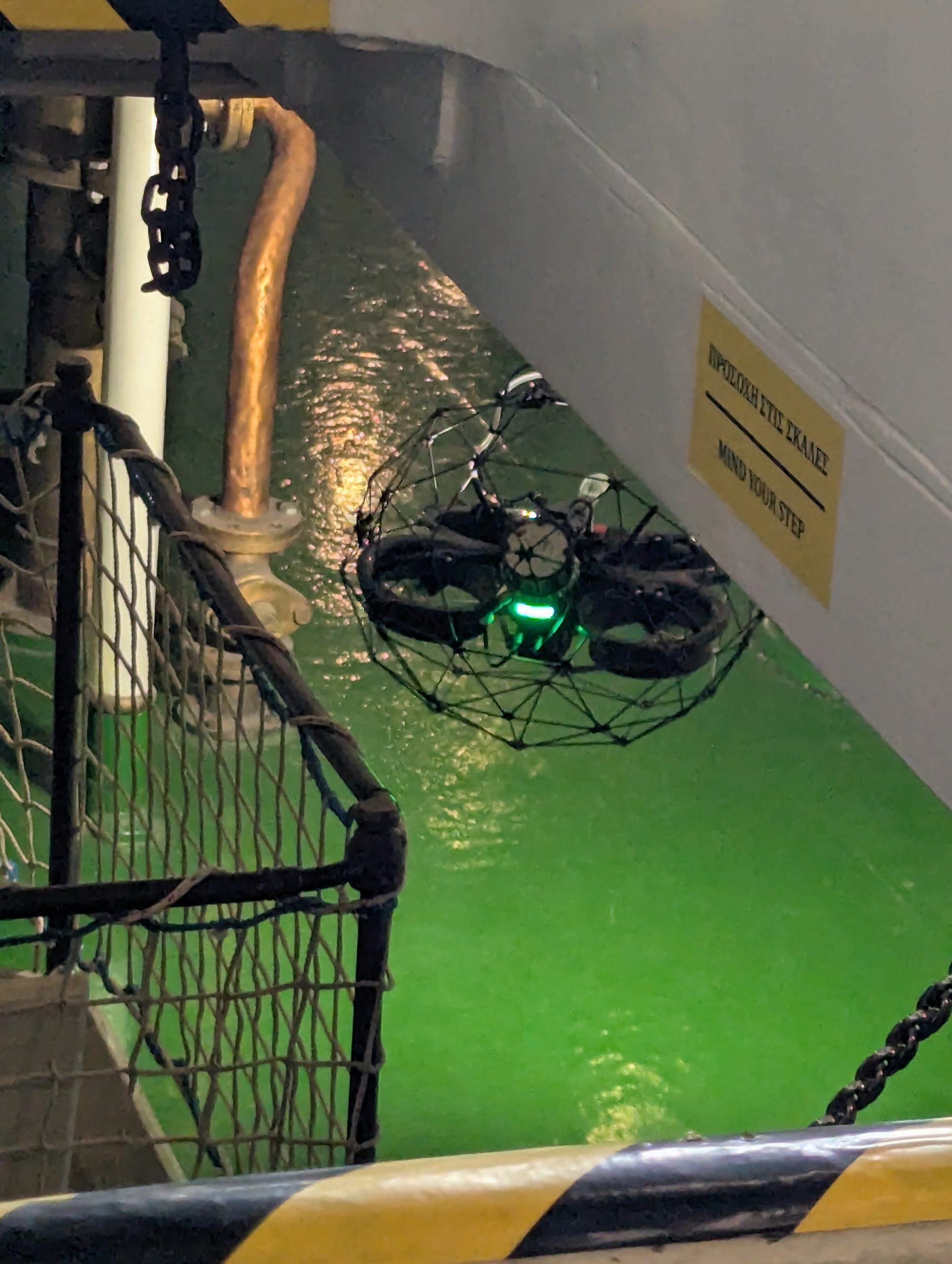
In the context of FPSO hull inspections, we also have some clear objectives of what is required and although we may have several days to carry out the inspection, you may only have 1 opportunity in 5-10 years. It is therefore very important that the important inspection points are covered and that you can collect inspection data which allows you to determine rate of deterioration, integrity risks and any actions which may be necessary.
At MTL, we take the role of the director in setting the clear objectives for what needs to be inspected and determining the best method for reliably achieving this. We often use underwater ROV’s for external hull and ballast tanks inspections, and to achieve flying UAV’s for inspections at height on the external hull and inside hull spaces. For many other tasks, manned inspections are required to perform much closer inspection, remove rust/scale and to more accurately determine the extent of defects observed. In all cases the approach is the same: establish the objectives and then define the specific tasks to be carried out. We do this using our PYXIS software system which manages the whole process through definition, inspection data capture, reporting and assessment.
Professional planning and management of inspections, especially remote inspections, is essential to achieve the required value, in much the same way as the planning and preparation of the sports coverage leads to a high-quality broadcast. In both cases it certainly isn’t as simple as: “let’s get some drones up in the air and capture everything!”