
Confined space work on FPSOs often focuses on what happens inside the tank. Yet one of the most safety‑critical moments occurs before any internal work begins.
The transition from main deck to tank access marks a sudden change in risk. People move from a bright, open environment into a dark, enclosed space. Stable deck footing gives way to coamings, ladders, and vertical drops. Ventilation introduced to make the space safe can create turbulence at open hatches.
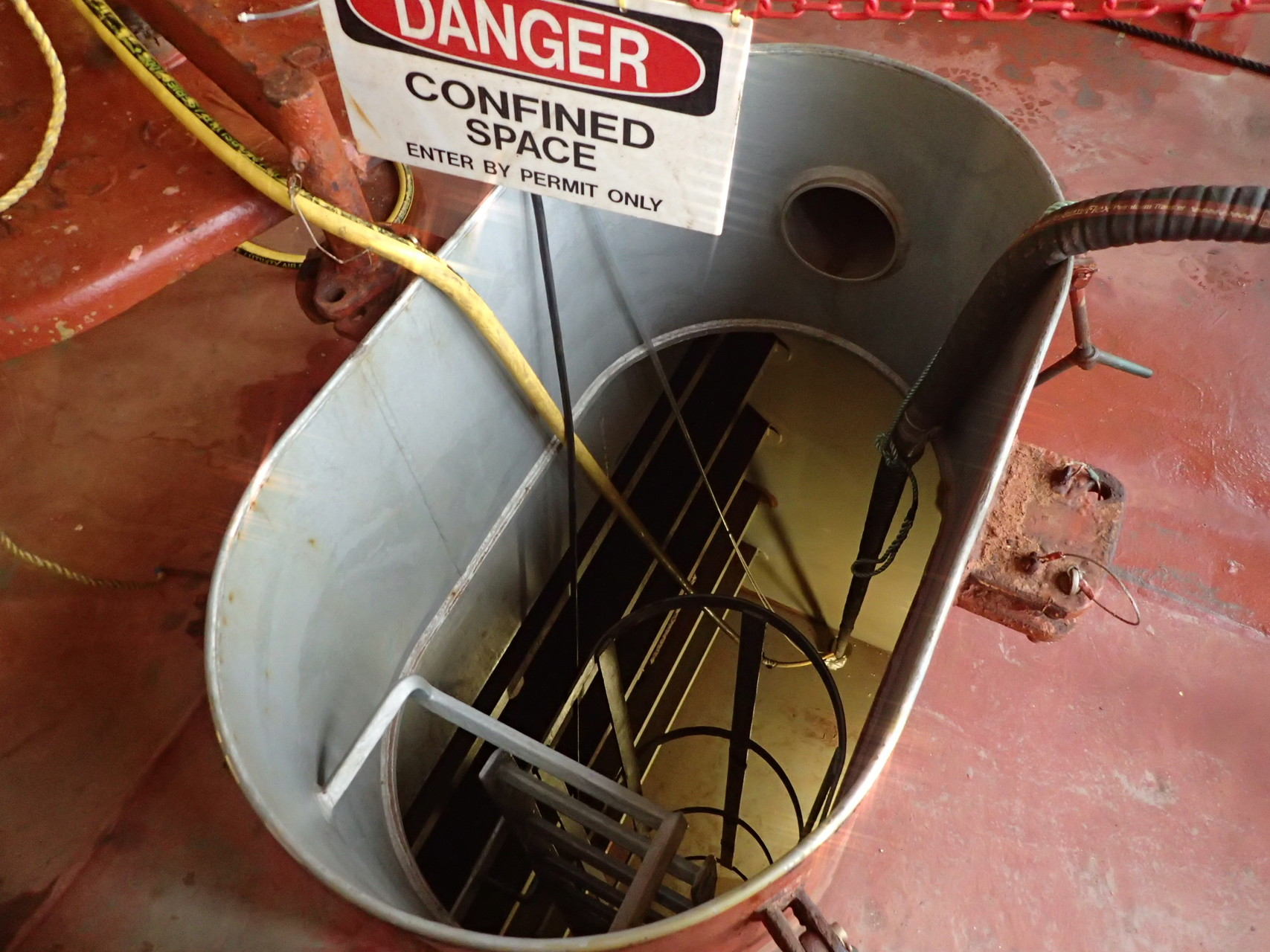
It is not routine. It is one of the highest‑risk moments in confined space access and egress on FPSOs.
As we support No Falls Week and the work of the No Falls Foundation, it is a timely reminder that many fall events do not occur during complex tasks. They occur during transitions. Moments where assumptions from familiar environments carry into situations that require different controls.
At MTL, a critical part of confined space work begins at the tank hatch.
From deck to tank: a change in risk
Standing on the main deck, people are operating in a well‑lit, open area with clear lines of sight and stable footing. The tank hatch introduces immediate changes. Raised coamings require step‑overs. Handholds may be limited. Ladders can be vertical or steeply inclined. The visual contrast between deck and tank interior can reduce depth perception during initial entry. Furthermore, ventilation is essential for safe entry into confined spaces, but the turbulent airflow it creates as it exhausts through the deck openings can affect balance at the hatch.
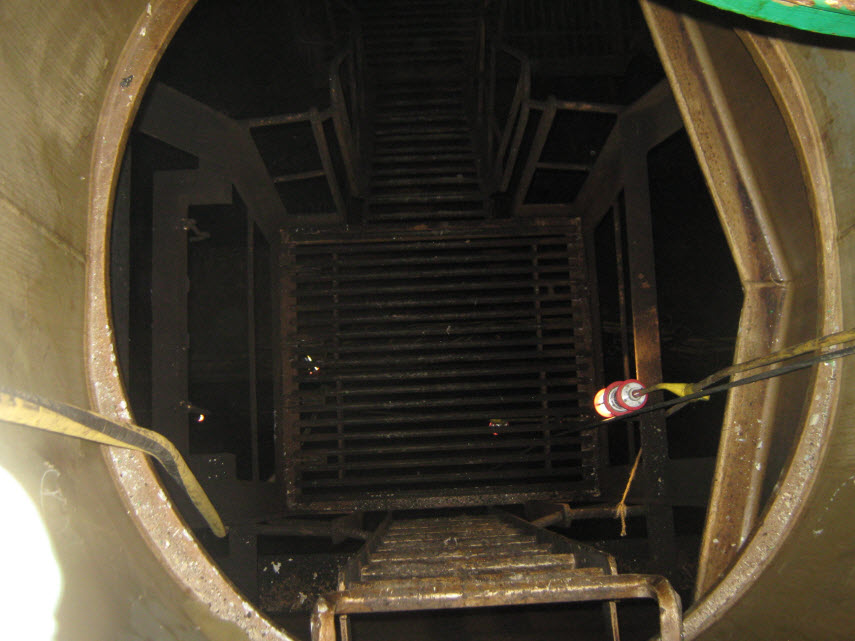
Designing safety into the hatch interface
Managing this transition requires more than permits and toolbox talks. Planning must focus specifically on how people move through the hatch interface. At MTL, our approach places emphasis on the first movement into the tank. Where necessary, temporary handrails at the coaming provide stable support during the step‑over, helping maintain three points of contact at the moment balance is most challenged.
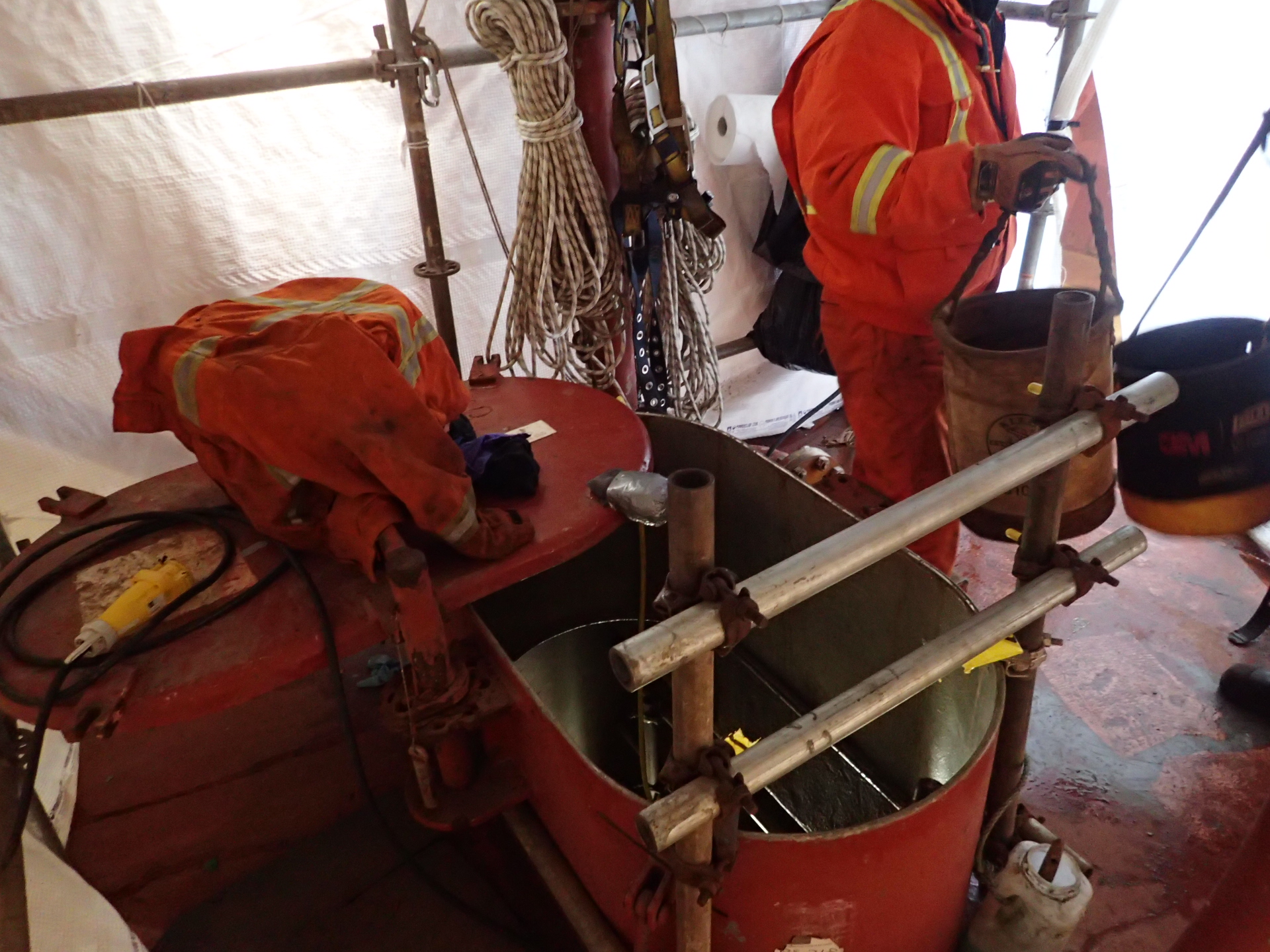
Fall arrest is applied for every person descending into the tank. This recognises that a fall can occur as soon as you step over the coaming or hatch ring.
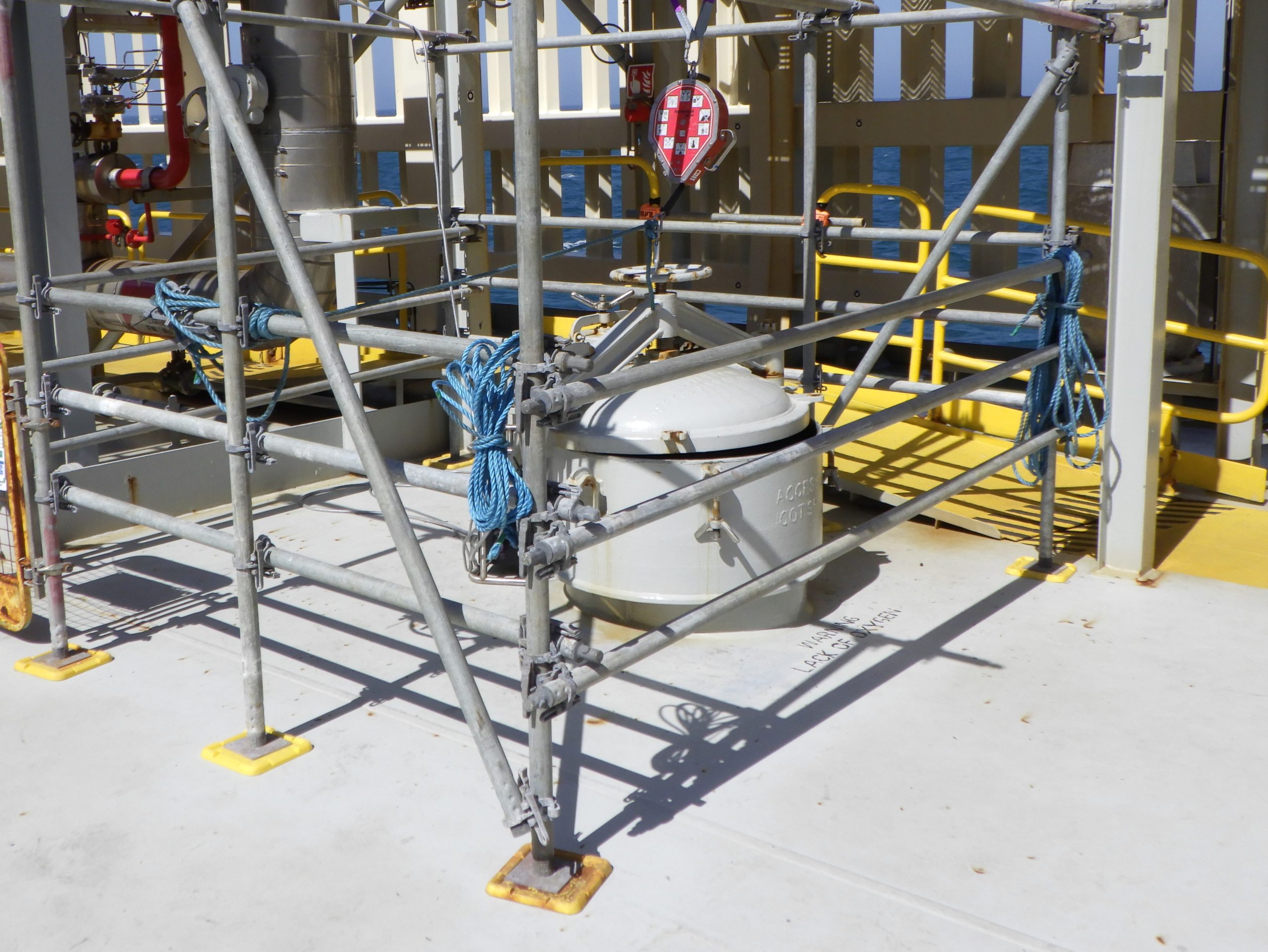
Where fixed vertical ladders lack adequate handrails or backscratchers, temporary solutions can be implemented to reduce the risk and/or the consequence of a fall during descent/ascent.
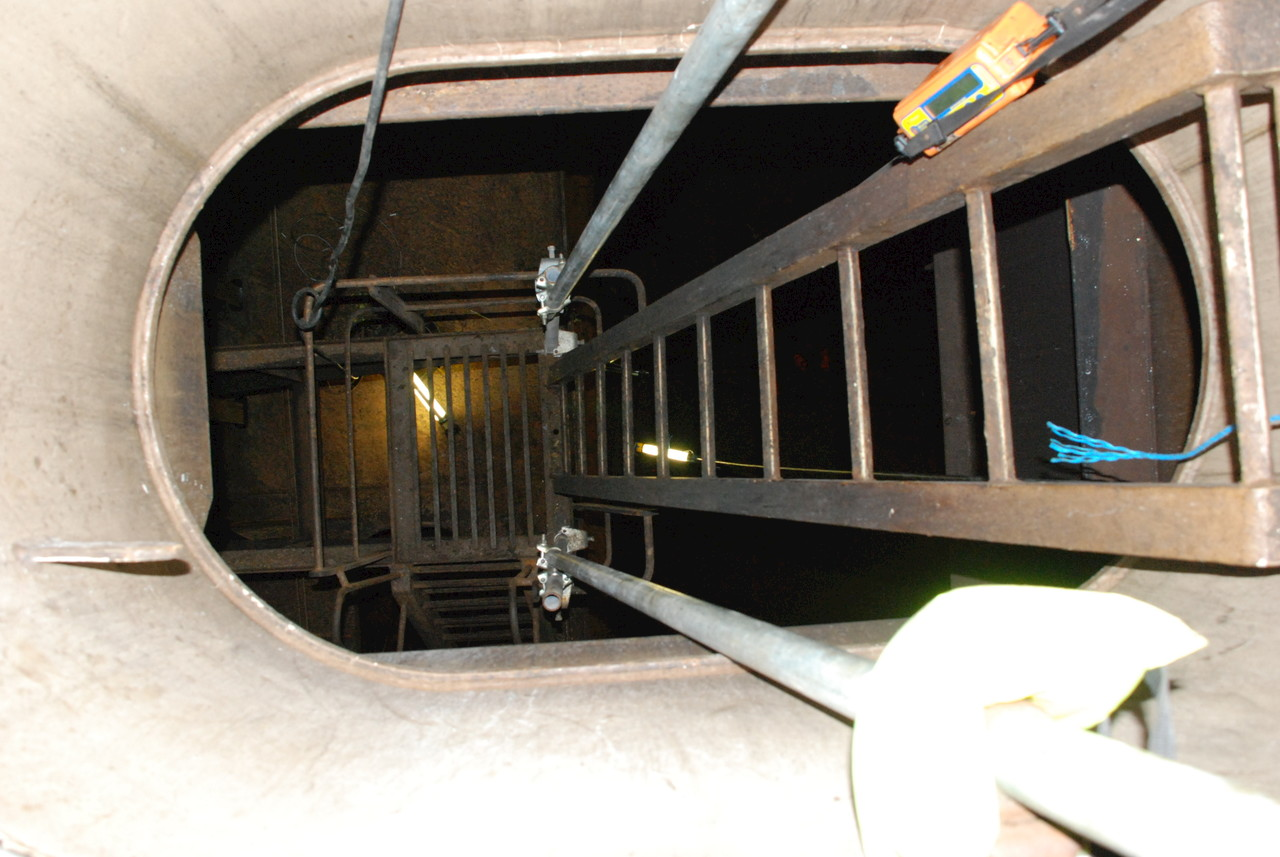
These measures are not complex. They are deliberate. They focus controls at the point where the risk is highest.
A simple message with lasting impact
Falls remain one of the leading causes of serious injury offshore. Addressing them does not always require new technology or complex systems. Often, it requires attention to detail at points that have become familiar through repetition.
By slowing down, reassessing the interface between deck and tank, and applying targeted controls, fall risk during confined space access/egress can be significantly reduced.
Supporting the No Falls Foundation during No Falls Week reinforces a simple message: how people access and exit a space matters as much as what they do inside it. By designing safety into access and egress from the outset, we help ensure that every person goes home safely at the end of the shift. That responsibility is shared across our industry and deserves constant attention.