
Training our team to understand our work.
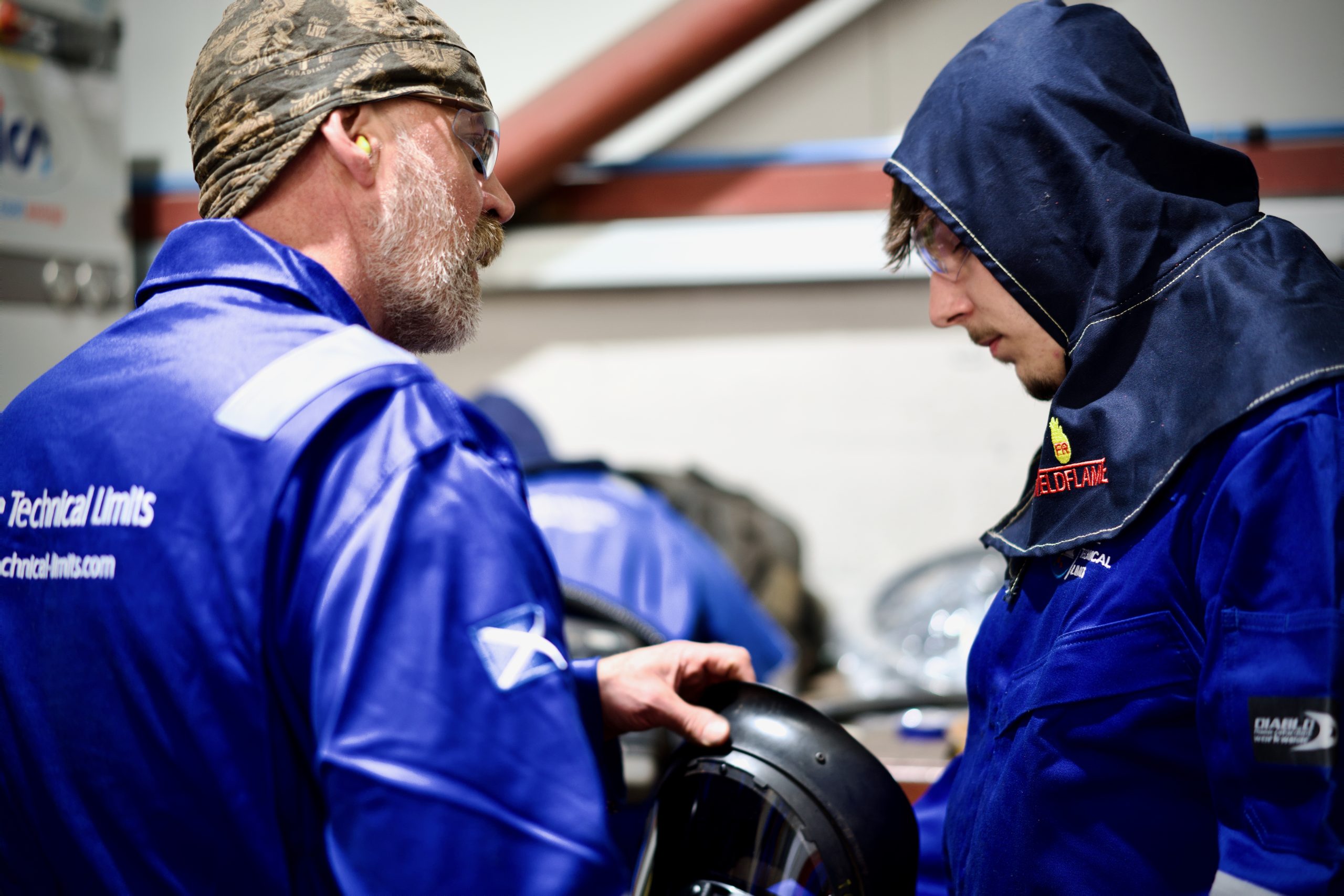
Last week, five of our staff and students took part in a hands-on workshop exploring the hot work techniques central to MTL’s approach to on-station hull structural repairs, including cutting and welding.
Led by Adrian Ferries, MTL’s Offshore Construction Supervisor, the in-house training event gave non-technical colleagues a clearer understanding and appreciation of the skilled work our technicians perform in challenging, confined offshore environments.
The training session involved completing risk assessment and safety checks, familiarisation with the specialist hot works equipment and PPE, cutting a portion of steel with plasma-cutting technology and, finally, Shieled Metal Arc Welding (SMAW) practice of the cut steel portions (see image below).
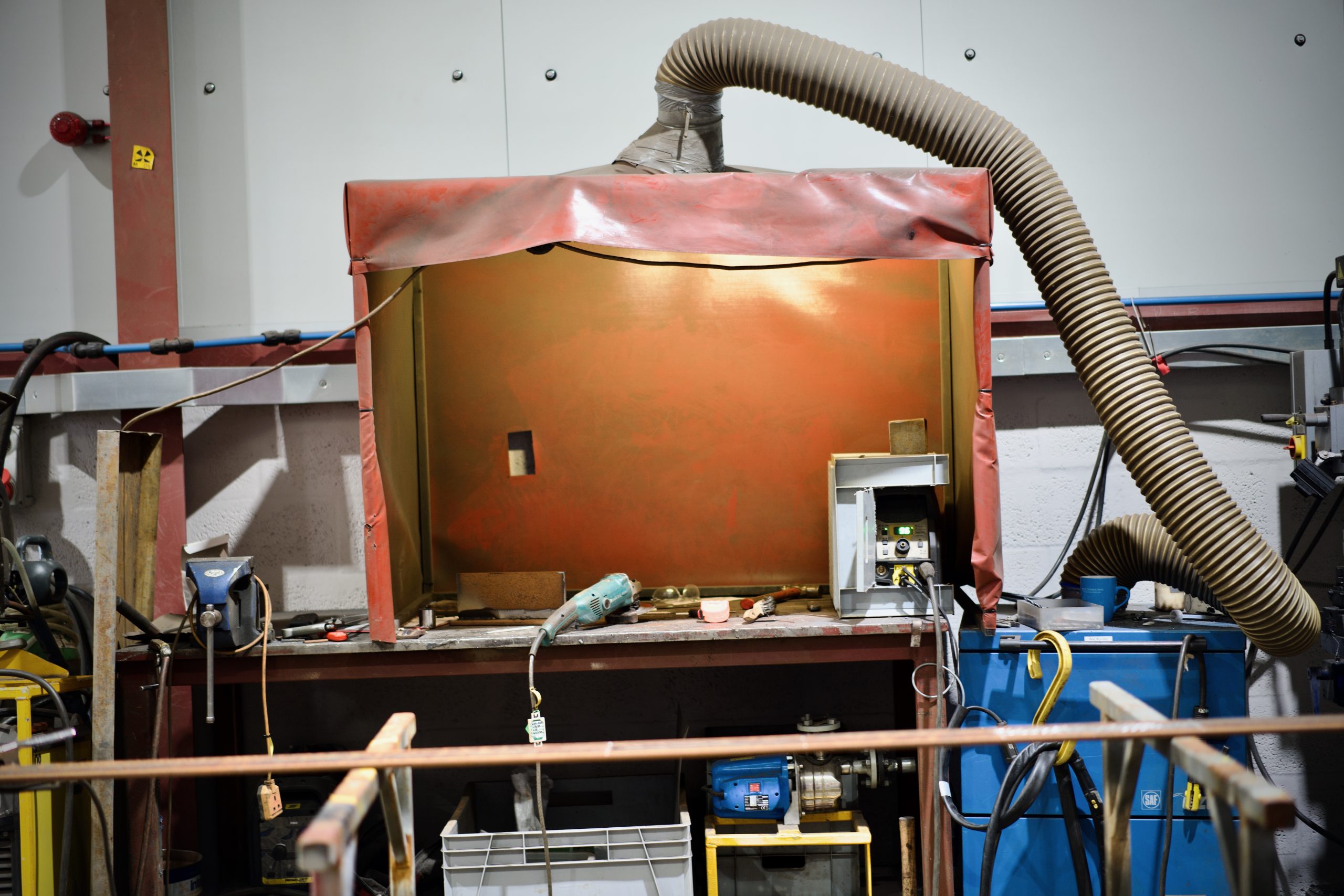
Above: a short behind-the-scenes video showing the cutting and welding in action
Staff Feature – Adrian Ferries
Nick Franks, our new Marketing and Communications Coordinator, was one of the participants in the hot works training and he caught up briefly with Adrian afterwards:
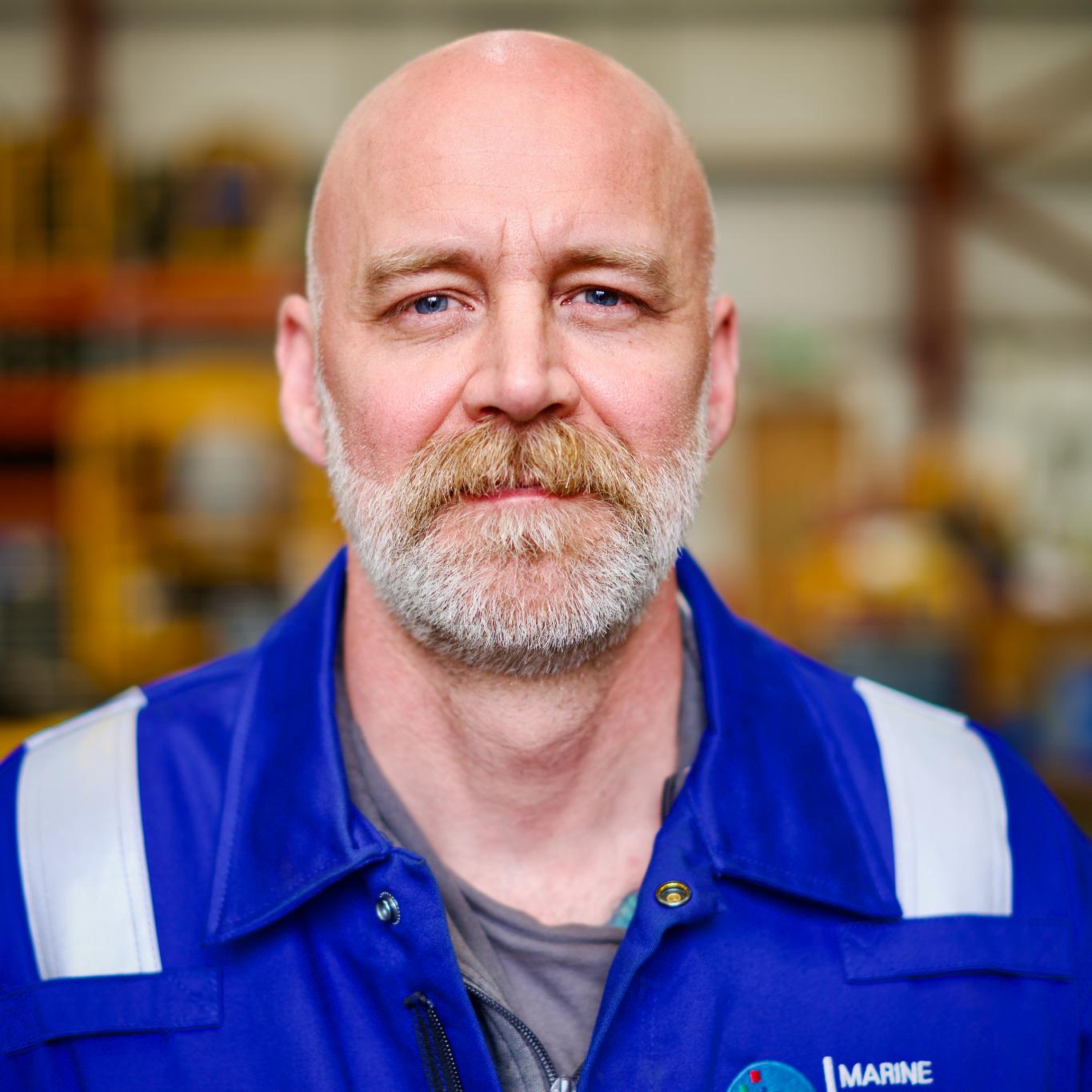
1. What is your role at MTL?
I am an Offshore Construction Supervisor. I manage offshore work scopes and am also involved in onshore preparation activities. A key part of my role when onshore includes running trials and qualifying welding procedures.
2. How much of a work focus is cutting/welding for MTL?
This varies depending on the project, as I supervise a wide range of offshore activities for MTL. However, safely carrying out hot work repairs on live producing assets is a core area of MTL’s expertise and remains a regular and important focus.
3. Why is good quality cutting/welding so important?
High-quality cutting and welding are essential, as there are often no alternative solutions offshore. Strong control from both a safety and quality perspective is critical. The personnel carrying out this work are highly trained, typically completing four-year apprenticeships along with additional specialist welding certifications. As an offshore supervisor, my responsibility is to ensure standards remain high and that MTL’s comprehensive procedures are strictly followed.
4. Why do MTL give staff an introduction to these hot works?
Providing staff with an introduction to hot work gives them a basic but essential understanding of welding and plasma cutting processes. This knowledge helps improve awareness, safety, and overall effectiveness in their roles, regardless of their specific discipline.
The ongoing learning and development of our high-calibre staff team is central to our working ethos and, combined with our commitment to student placements and periodic team socials, results in a genuinely collaborative and cohesive staff team.
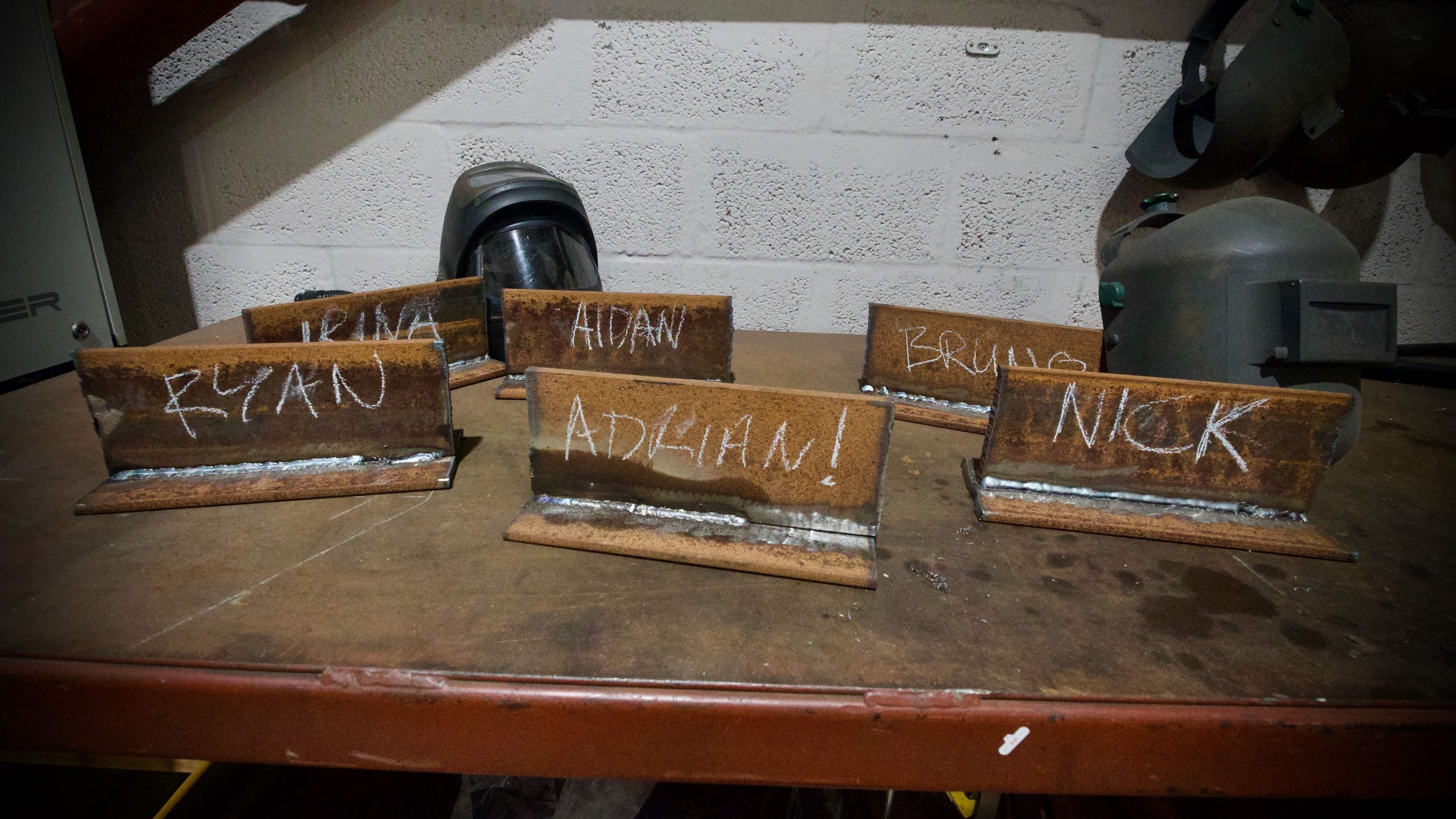
Above: The trainees completed handiwork